

the shadow
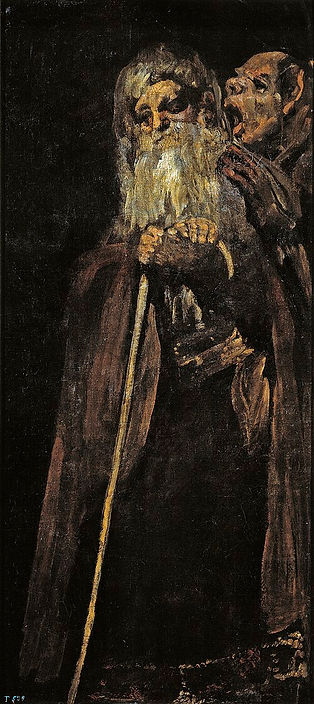
the dark glass
What we refuse to see, still acts on us. The shadow within the Tribute Tarot is a reminder that seeing clearly is rarely comfortable, but always necessary. To work with this tarot is to face what’s hidden — not because it’s mystical, but because it’s human.
The shadow is the part of us that survives in silence, the thing we don’t name because doing so might cost us comfort, position, or peace. It isn’t abstract; it’s the moment you might lie, avoid, or stay quiet when you should speak.
In The Tribute Tarot, every card meets that silence head-on. The shadow isn’t a curse or a threat — it’s the friction between who we believe we are and what we might become when tested. Behind the Star may stand the fear of loss. Behind Strength, the bone-tired edge of endurance. In the Ten of Wands, it’s the moment when effort becomes burden — when duty curdles into resentment.
In the Eight of Swords, it’s the paralysis of self-doubt, the cage we build from our own caution. In the Four of Pentacles, it’s comfort that calcifies into control. Each card turns its mirror toward a different form of blindness. The dark glass doesn’t moralise — it reflects. It shows what happens when we polish our image instead of our truth.
When order collapses into meaning, and meaning becomes justification — when “clarity” turns into control — that’s when shadow may enter. The cards hold that mirror steady. They don’t flatter; they don’t soften. They ask you to see where you might have blurred the lines, where reason may have made excuses. To look is to reckon, and reckoning is never comfortable.
the discipline of looking
The phrase from Corinthians is not about mystery but about resistance — the mind’s refusal to see what it already knows. The glass is dark because it's 'truth' rarely shines; it stains.
The Tribute Tarot doesn’t offer escape. It offers perspective — beauty beside cruelty, grace beside grief. It’s not therapy, not self-help. It’s the recognition that light and dark sit side by side, and pretending otherwise may break something in us. The Tribute Tarot stands in that tension. Its images don’t polish; they confront. The Devil may appear charming because temptation usually is.
The Seven of Cups whispers this illusion — a glittering choice that conceals avoidance. Too many options, too little truth. Shadow hides not in darkness, but in confusion that flatters the ego.
These are not polished symbols for coffee-table contemplation. They are working images — alive, contradictory, and, at times, blunt. They stay with us because they won’t let us look away.

the cards as reckoning
Shadow isn’t absence, it's presence that lies deep and unacknowledged. To read the cards is to reckon with the whole self — the better parts and the brutal ones. It’s not about predicting the future; it’s about confronting what already exists but goes unnamed: resentment, envy, pride, the tired corners of compassion.
When you see yourself in a card — and recognise what you might rather deny — that’s when the real work begins. The card doesn’t accuse; it describes. It gives form to what conscience whispers and ego ignores.
Each image is a small act of confession. It translates emotion into structure: the fear that tightens, the longing that repeats, the power that corrupts. Through this translation, the reader may change. Every Dark Glass reading is a shift in the lens — not magic, but self-correction.
The tarot’s archetypes evolve because we do. The same symbols that once warned against excess now warn against apathy. What was once divine order now speaks to personal accountability.
Between the idea and the reality
Between the motion and the act
Falls the Shadow”
― T.S. Eliot, The Hollow Men

mirrors and monsters
“Thoughts are the shadows of our feelings - always darker, emptier and simpler.” ― Friedrich Nietzsche
The monsters we fear most often wear our own faces. The shadow is not the enemy: the monsters that haunt us may be drawn by our own hand — the lies that grow teeth, the comforts that turn to cages. Blake, Doré, story tellers and myths all knew, monsters are metaphors—distorted reflections of what we repress. The Tribute Tarot’s darkness is not gratuitous. It is symbolic space for reckoning.
Chains, towers, beasts — these are shapes our conscience may take when ignored. They show how guilt, envy, or delusion might appear once they demand to be seen. Tarot doesn’t punish us for having them; it asks what they might be protecting. Every “dark” image — the Devil, the Tower, the Moon — is simply an admission that denial has a cost.
The modern world produces its own monsters: filters, screens, curated selves, algorithmic approval. They shine brighter but distort more. We mistake exposure for honesty, performance for truth.The Dark Glass and its shadow stands against that. It’s a diagnostic mirror, not a stage light.
Its purpose is not to soothe or condemn, but to name — to say, here is what may be real, however flawed. Only what’s recognised can be repaired.

example shadow text
the moon xviii
When light deceives, instinct becomes illusion. The Moon is not a card of madness — it’s a card of distortion. It reveals how easily intuition becomes delusion when untethered from honesty. Its surface is luminous, but the light it casts bends everything it touches.
Under its pull, truth may slip sideways; reflection becomes obsession.We mistake longing for insight, anxiety for awareness. The beasts that rise from the water may lead us toward understanding — or drag us under.
When the Moon rules unchecked, imagination replaces integrity, and fear dresses itself as faith.
The Moon’s shadow warns against the comfort of confusion — the quiet seduction of not knowing, of preferring mystery to responsibility.
To walk beneath it is to remember that not every glow is guidance, and not every darkness means danger. Every card in The Tribute Tarot carries this double vision: not simply a reversal, but an inward dive — with the moon, the moment may come where instinct might mask avoidance.

closing reflection
It is not the darkness that blinds us, but our refusal to enter it. The shadow isn’t to be conquered; it’s to be integrated. Each time we face what unsettles us, the mirror clears a little more. To read these cards is to do that work — to enter the dark with eyes open, to name what hides, and to bring something honest back to the surface.
The journey doesn’t end here. What we glimpse in shadow takes shape through the archetypes — the inherited stories and moral blueprints that repeat through time. Each card contains traces of these figures, shifting with every age and reader. You can explore them further in the next section, The Archetypes.
And because the symbols don’t live only in myth, the Tribute Tarot also reflects the world we inhabit now — the economics of fear, the politics of display, the loneliness of performance. The shadows we face privately are mirrored publicly. The cards don’t divide them; they reveal how one feeds the other.To see how these same patterns unfold in our own era, continue into The Here and Now.