

the suit of swords
the element of thought
"The mind is its own place, and in itself can make a heaven of hell, a hell of heaven.” — John Milton
ELEMENT & ESSENCE
“The sword is the servant of the mind.”
— Carl Jung
The Suit of Swords belongs to Air — the element of intellect, judgement, and articulation. Air is unseen yet pervasive; it moves through every structure and carries every word. Its force is subtle but decisive, shaping thought long before action is taken.
The sword is the instrument of distinction. It divides truth from falsehood, principle from preference, courage from self-deception. Unlike the warmth of Fire or the pull of Water, Air demands clarity. It strips away excess and exposes what remains when sentiment is set aside.
These cards speak of mental trial — of ideas tested under pressure, of conscience examined, of language used to defend, justify, or wound. The sword is both tool and ordeal. It asks not what we feel, but what we can defend. To work with the Swords is to confront how truth is held — whether it liberates through precision or destroys through pride.

ARCHETYPES & THEMES
“Nothing in this world is harder than speaking the truth.” — Fyodor Dostoevsky
The archetype of the Sword is not a role but a disposition. It is the mind that cannot leave a question alone, the conscience that presses where comfort would prefer silence. It lives by distinction — between fact and fiction, loyalty and compromise, courage and self-justification.
Air carries thought, and thought becomes stance. The sword temperament values coherence over popularity, precision over approval. It can be principled without becoming rigid, incisive without turning cruel. Its danger lies not in emotion, but in forgetting humility before complexity.
The Swords reveal how perception becomes structure — how belief hardens into law, how language shapes reality. When tempered by humility, they defend justice; when ruled by certainty, they fracture community. Yet at their best, they cut through illusion and restore proportion. The same edge that divides can also clarify — and clarity is its own form of mercy.

DECANS OF AIR
“Even the finest sword plunged into salt water will eventually rust.”
― Sun Tzu
According to some, each Sword card belongs to a precise portion of the zodiac — a guide for those who wish to use a particular card as a signifier or base for thought.
II of Swords: 0°–10° Libra 23 Sept–2 Oct
III of Swords: 10°–20° Libra 3–12 Oct
IV of Swords: 20°–30° Libra 13–22 Oct
V of Swords: 0°–10° Aquarius 20–29 Jan
VI of Swords:10°–20°Aquarius 30 Jan–8 Feb
VII of Swords: 20°–30° Aquarius 9–18 Feb
VIII of Swords: 0°–10° Gemini 21–31 May
IX of Swords: 10°–20° Gemini 1–10 June
X of Swords: 20°–30° Gemini 11–20 June
Whether you use these dates or not - these decans remind us that air is never still. Thought must circulate — stagnation breeds confusion, but motion sharpens mind to insight.


ace of swords
the element of thought
“Freedom is the right to tell people what they do not want to hear.” — George Orwell

myth & meaning
“The real hero is he who sees the truth and still endures.” — Albert Camus
At the threshold of the Suit of Swords stands the first bright edge: thought made visible. The Ace is the moment a truth is grasped and held up to the light. The Ace of Swords is definition — the line that separates what is from what is wished for.
Excalibur drawn from stone or lake; Michael’s blade dividing light from darkness; the sword of Justice poised above the scales. The Ace carries that charge. It begins not with blood but with law — oath, verdict, the word that binds. A sword is a tool before it is a weapon; it trims, severs, and sets a clean edge. So does a truthful sentence.
Yet the Ace also warns. A perfect edge cuts both ways. The mind that names reality can also wound; a revelation can liberate or alienate. This card inaugurates the whole suit’s dilemma: to use clarity without cruelty, and to hold conviction without becoming a zealot.
The Ace of Swords corresponds to the Root of the Powers of Air — the seed of intellect before it separates into Libra, Aquarius, and Gemini. Its decanic essence belongs to pure Air itself, the invisible clarity that precedes motion and form.

upright
“If you tell the truth, you don't have to remember anything.” ― Mark Twain,
The Ace of Swords signals clarity, decision, and honest speech. It’s the breakthrough after fog: a diagnosis correctly named, the concept that frames a problem, the policy or plan that finally cuts through noise. Letters, contracts, essays, testimony, judgments — all belong here.
In work, it favours any discipline where precision saves time and lives. It supports writing and public speaking when the purpose is clean: inform, persuade, defend. The counsel is simple: strip to essentials; remove what is extraneous; define your terms and proceed.
In relationships, this card asks for candour without cruelty. Name the issue, set a boundary, tell the truth — but keep the humanity of the other intact. A right cut trims the thread; a reckless slice ruins the cloth.
For the self, the Ace is mental hygiene: sharpen the tool and clear the desk. Start the project, draft the letter, file the claim, book the test, speak to the person.You don’t need every answer; you need the first correct definition.

reversed
“It’s easier to fool people than to convince them that they have been fooled.” — Mark Twain
Reversed, the Ace of Swords shows misused intellect: sophistry, manipulation, or paralysis through over-analysis. It is the weapon turned inward — the voice that doubts, delays, or dissembles until truth collapses under its own weight.
In work, this may appear as bureaucratic fog, policy dressed as compassion, meetings that avoid decisions, or “investigations” with outcomes already written. The intellect becomes servant to power, not truth. Words are used to obscure, not illuminate; morality becomes performance.
In relationships, reversal cuts cold. Honesty becomes brutal honesty — truth wielded without care — or worse, silence disguised as serenity. Arguments loop endlessly, chasing technicalities rather than meaning. The air becomes heavy with the unspoken.
For the self, this reversal breeds rumination and exhaustion. The sword turns on its owner; clarity becomes self-criticism, thought becomes fear. The remedy is not more thought, but simpler thought.

scene & symbols
“It is certain, in any case, that ignorance, allied with power, is the most ferocious enemy justice can have.” ― James Baldwin
A right hand emerges from the cloud — the side of action and reason — gripping the sword without theatrical force. The hand does not descend from heaven; it rises within the human sphere. Thought here is not divine abstraction but lived responsibility.
The blade stands vertical, linking sky and sea, conception and enactment. Its engraved steel speaks of discipline — knowledge forged, not merely claimed. Above it hovers the crown, suspended rather than worn: authority offered, not assumed. It waits to be justified. Palm and laurel flank the blade. Endurance and merit. Suffering and excellence. Neither guarantees truth; both demand cost.
Six golden drops fall through the air — not ornament but descent. In older symbolism they are sparks of originating force, in this context, the first impulse of thought before it becomes speech. They suggest that clarity arrives from beyond preference — that reason is not invented but encountered. The storm gathers around the blade, yet the hand remains steady. The intellect is not removed from chaos; it stands within it, choosing. Insight does not descend cleanly — it strikes.
In my card, the gauntlet matters. The mind is armoured, but not insulated. The sword is lucid, controlled, alert to its own power. This is the moment before speech — clarity formed, pride restrained. The first cut is not violence, but separation: truth from distortion.
shadow
“The further a society drifts from the truth,
the more it will hate those who speak it.” — George Orwell
The shadow of the Ace is corrupted intellect — reason turned inquisitor, clarity turned cruelty. It is the cold conviction that logic alone is virtue, and that mercy is weakness. What begins as thought becomes judgement; what begins as order becomes tyranny.
Unlike the other suits, the sword has only one true function: to harm. Its virtue lies not in creation but in restraint — in knowing when, how, and why to act. As the same edge that kills can also defend, and the same thought that wounds can also protect. This card acknowledges that reason is not a comfort; it is a discipline.
Archetypally, this is the fallen angel of reason — Lucifer cast down not for his power but his pride. It is the philosopher who mistakes their opinion for law, the ruler who confuses control with wisdom. The mind, detached from the heart, demands obedience to its own perfection.
In shadow, words become weapons without conscience. “Facts” are wielded to humiliate, not to heal. Rationality hardens into dogma. The thinker becomes zealot; the scholar, censor. When intellect forgets humility, it ceases to enlighten and begins to enforce.
Psychologically, this shadow manifests as intellectual arrogance and internal tyranny — the voice that punishes error but never forgives it, the mind that can analyse everything except its own cruelty. It’s the inner court where thought becomes prosecutor and self becomes perpetual defendant.
When clarity forgets compassion, it ceases to serve truth and begins to enforce it. The blade remains sharp — the question is whether it is governed.


here & now
“The first duty of intelligence is to state the obvious.” — Christopher Hitchens
The Ace of Swords exposes a persistent modern tension: we inhabit an age saturated with information, yet clarity feels increasingly contested. Language functions both as currency and as weapon. Institutions invoke transparency while negotiating the limits of speech through policy, pressure, and precedent. Accuracy is often tolerated — until it disrupts convenience.
Public discourse fractures into tiers. Some accusations circulate freely; other questions incur penalty. Statistics are reframed, retracted, or buried. Narratives solidify faster than evidence. Certainty is rewarded; scrutiny is recast as hostility.
In professional and civic life, process sometimes replaces justice. Policy may appear compassionate while operating as constraint. The language of care can coexist with quiet erasure. The sword here does not rage — it separates. It distinguishes evidence from assertion, procedure from principle.
The card also reflects more overt realities: in parts of the world, speech remains policed, dissent punished, belief enforced. The Ace is impartial. It cuts through hypocrisy regardless of whether it appears secular or sacred.
Yet the card is not despairing. It points toward intellectual courage — the discipline of precision, the willingness to define terms, to withstand isolation, to anchor argument in evidence rather than applause. The sword does not exist to humiliate. It exists to clarify. Its burden is not comfort, but integrity.
conclusion
The Ace of Swords is the first incision. It opens space for clarity and exposes what cannot endure it.
In steady hands, it clears the air. In reckless ones, it wounds. The edge is constant; integrity is not.
ii swords
the edge of equilibrium
“Thinking clearly is a moral act.” — Christopher Hitchens

MYTH & MEANING
“Between the idea and the reality … falls the shadow.”
— T. S. Eliot
At the second step of the Suit of Swords, the mind confronts itself. The Two of Swords is the moment after first clarity when thought divides into equal halves — decision and doubt, reason and feeling.
The figure on this card embodies the paradox — sightless, yet searching; motionless, yet inwardly alert. Here intellect reaches a crossroads. One sword points toward the world of facts; the other toward the realm of intuition. Each sword extends beyond the card’s frame, signalling that her conflict exceeds the personal: this is the archetype of suspended decision, the psyche weighing truth that cannot yet be spoken.
The figure sits blindfolded not in ignorance but in discipline. She closes her outer sight to open the inner one — the Ajna, the third eye upon her forehead— where intellect and intuition converge.
The Two of Swords corresponds to the first decan of Libra, 0°–10° (23 Sept – 2 Oct) — a period when balance itself becomes ordeal.

upright
“Doubt is not a pleasant condition, but certainty is absurd.” — Voltaire
Upright, the Two of Swords marks the deliberate pause before commitment. The intellect steadies itself, refusing impulse until the evidence is clear.
In work, it appears when choices are equal and stakes are high. The advice is surgical: define purpose, test assumptions, and act only when both sides have been examined. Balance is achieved not by compromise but by precision.
In relationships, the card describes silence loaded with truth. Two people hold their ground, each waiting for the other to speak. The remedy is directness — not attack but honest statement. Stillness must end in articulation, or it curdles into avoidance.
For the self, the Two of Swords is the practice of mental hygiene. It asks for quiet reflection, the restraint of reaction, and the courage to let clarity emerge unaided.

reversed
“To see what is in front of one’s nose needs a constant struggle.” — George Orwell
Reversed, the swords slip out of symmetry; the blindfold hardens into denial. The intellect once balanced now refuses perception.
In work, paralysis disguises itself as process. Meetings multiply, decisions dissolve, and moral clarity yields to convenience. Avoidance becomes policy.
In relationships, reversed Two of Swords is the argument unspoken until it explodes. The choice to “keep the peace” erodes trust. One sword cuts by omission, the other by silence.
For the psyche, reversal signals thought turned inward against itself — analysis spiralling into anxiety. The cure is exposure: to face the data, the emotion, the truth withheld. To see again, one must remove the bandage of neutrality.

scene & symbols
“The soul becomes dyed with the colour of its thoughts.” — Marcus Aurelius
The woman sits at the margin of green water and mist. The swords, crossing before her chest, rise past the card’s edges — intellect that exceeds containment. They form an X of tension rather than defence: the meeting of two logics testing each other’s validity.
The blindfold is voluntary, a tool of impartiality. Between her brows, the Ajna glows faintly — inward sight active while outward vision rests. Beneath the hem of her robe, yellow shoes emerge: the will to act grounded in clarity, intellect prepared for movement.
The landscape is green and aqueous, veiled in mist. Islands rise faintly on the horizon; a few thin trees break the line between sea and air. The surface is not calm but breathing — water that conceals current. The scene holds tension, not peace: the world itself seems to wait for her verdict.
The air is dense with waiting. Above, a crescent moon cuts through vapour — intuition mirrored in the Ajna below. The entire scene is an anatomy of hesitation made sacred.
shadow
“Until you make the unconscious conscious,
it will direct your life and you will call it fate.” — Carl Jung
The shadow of the Two of Swords is wilful blindness — not ignorance, but the deliberate refusal to know. It is the comfort of suspension, the luxury of indecision masquerading as fairness. Here, intellect hides behind balance to avoid responsibility, and neutrality becomes a shield against consequence.
Archetypally, this is the inner judge who refuses verdict. The mind that mistakes hesitation for virtue, objectivity for moral superiority. The blindfold, once a symbol of impartial justice, slips into an emblem of fear. Thought circles endlessly, weighing and reweighing, while instinct is silenced and action indefinitely postponed.
Psychologically, this shadow breeds dissociation: thought severed from feeling. Analysis becomes anaesthetic; empathy is cut away in the name of logic. The self splits into observer and actor, each accusing the other of betrayal. Nothing is chosen, yet everything is lost by default.
In its darker expression, the Two of Swords becomes repression sanctified as composure. Emotions are buried rather than faced, only to return as anxiety, irritability, or sudden collapse. What is not spoken hardens. What is not decided metastasises.
Collectively, this shadow appears where silence is mistaken for peace. Truths too dangerous to name are endlessly “balanced” until forgotten. Avoidance becomes policy; paralysis is praised as civility. The swords remain crossed, not to protect the heart, but to prevent it from speaking.
To remove the blindfold is to risk pain; to uncross the swords is to risk conflict. But refusal to choose is itself a choice — and it always sides with decay.


here & now
“The hottest places in Hell are reserved for those who, in times of great moral crisis, maintain their neutrality.” — Dante Alighieri
The Two of Swords reflects an age fluent in postponement. Decisions are deferred in the name of balance; statements issued in place of judgement. Clarity is softened into “both sides,” and conviction is recast as aggression. To choose is to risk conflict, so suspension becomes virtue.
Digital culture amplifies this tendency. Algorithms reward reaction, yet institutions reward caution. Public discourse narrows into curated fragments. We call it nuance; often it is avoidance. The crossed swords are not battle — they are refusal.
In civic life, process frequently replaces decision. Accountability is dispersed through procedure. Debates extend; outcomes stall. Silence is not always enforced by decree but by fatigue. The result is not harmony but drift.
On a personal level, the same pattern appears in relationships. Difficult truths are postponed for fear of rupture. What passes for peace may be emotional suspension — a life lived behind crossed blades.
Yet the card does not condemn pause itself. It asks for honest delay rather than permanent evasion. To think deeply — and then to choose. To tolerate tension — but not to hide within it. The Two does not demand certainty. It demands courage enough to lower the swords.
conclusion
The Two of Swords holds the suspended moment — the refusal to choose and the cost of that refusal. Stillness can preserve clarity, or it can protect fear. The blindfold does not remove the world; it postpones it.
iii swords
the armour and the wound
“What is to give light must endure burning.” — Viktor E. Frankl

myth and meaning
“No one ever told me that grief felt so like fear.” ― C.S. Lewis
The Three of Swords is not sorrow imagined but sorrow endured. It is the moment when defence fails — when armour proves insufficient. The heart in my card is not bare; it is bound in chain and mesh, reinforced against injury. And yet it is pierced. The wound does not occur through innocence but through protection.
This card marks the rupture that follows clarity. After the suspended reasoning of the Two, after negotiation and delay, truth enters not as theory but as impact. The blades do not symbolise cruelty; they symbolise inevitability. Something has been seen that cannot be unseen.
The Three records the moment we discover that control, preparation, or guardedness cannot prevent consequence. Pain does not arrive because we were foolish, but because we were invested. The wound educates. It divides illusion from fact, attachment from truth. This is sorrow not as punishment, but as refinement — the cost of having believed in something real.
Astrologically, this card belongs to Saturn in Libra. Grief that educates, sorrow that refines. Decan: 10°–20° Libra | 3–12 October

UPRIGHT
“We are healed of a suffering only by experiencing it to the full.” — Marcel Proust
Upright, the Three of Swords is heartbreak, separation, betrayal, or the arrival of a truth that can no longer be avoided. It is the conversation that cannot be undone, the letter that redraws a life, the diagnosis that names what was only feared. The pain is sharp because it is precise.
This card does not traffic in cruelty for its own sake. Its cut is clean. It removes illusion, strips denial, and exposes what has already happened beneath the surface. The suffering here is not chaotic — it has direction. It clarifies by force.
In relationships, it marks endings, infidelities, revelations, or emotional breaches that demand acknowledgement before healing can begin.
In work, it may reveal structural failure, broken trust, or truths long deferred. For the self, it is the moment when thought and feeling can no longer be kept apart.
The Three of Swords asks for presence, not escape. The pain must be allowed its full duration. To rush recovery is to deepen the wound.

REVERSED
“To be broken is no reason for despair; it is the beginning of wisdom.” — George Eliot
Reversed, healing may be possible here, but it is incomplete or resisted. The swords withdraw slowly, reluctantly, or unevenly. Wounds close on the surface while remaining active beneath.
This reversal can indicate grief that is suppressed rather than resolved, forgiveness declared but not embodied, or reconciliation attempted without truth fully spoken. It may also mark exhaustion: sorrow that has lingered too long, draining vitality rather than teaching it.
In relationships, this can show bonds maintained through shared pain rather than renewed trust. In work, problems are buried rather than addressed. For the self, emotional fatigue sets in — the truth is known, but not yet metabolised.
The reversed Three of Swords warns against premature closure. Forgetting is not healing. Moving on without understanding invites repetition. The task here is not comfort, but honesty sustained over time.

scene & symbols
I like living.
I have sometimes been wildly, despairingly, acutely miserable, racked with sorrow;
but through it all I still know quite certainly that just to be alive is a grand thing.”― Agatha Christie
A blood-red heart hangs suspended against a sky the colour of iron. Three swords descend, their points converging at the centre — no upward motion, only gravity and consequence. The rain slants diagonally, more hail than water — hard, metallic, relentless. Clouds mass behind it, swollen and charged, the air thick with pressure before thunder.
In my Tribute Tarot card the heart is not flesh but crystal — faceted, jewel-like, luminous under strain. Light fractures across its surface, sharp as memory. It is beautiful and dangerous at once. Nothing softens the composition. There is no landscape, no witness — only heart, blade, and weather.
The heart is bound in chain and mesh, armoured rather than exposed. Protection has already been built. The lattice grips tightly, patterned, deliberate — defence learned through earlier impact. At its centre, a steel plate reinforces what has already been reinforced. This is not innocence pierced, but strength tested.
A crimson ruff encircles the form, theatrical yet severe — grief made visible, not concealed. The swords gleam without blood; their edges are clean, almost ceremonial. The incision is precise. The wound is exact. This is sorrow rendered in metal and rain — not collapse, but impact against armour.
shadow
“You think your pain and your heartbreak are unprecedented in the history of the world, but then you read."
James Baldwin
The shadow of the Three of Swords is not grief itself, but allegiance to it. Pain becomes identity — not something endured, but something curated. The wound is kept open, revisited, explained, refined. What once demanded care now demands attention. Sorrow hardens into posture.
Here, heartbreak is no longer a passage but a dwelling place. The mind returns compulsively to the moment of rupture, replaying it not to understand, but to remain faithful to the injury. Moving forward feels like betrayal — of love, of self, of meaning itself. The swords remain lodged not because they cannot be removed, but because removal would require relinquishing the story built around them.
Archetypally, this is the Inverted Healer — one who understands pain intimately yet avoids their own restoration. It is also the Eternal Witness: the self that stands just outside life, documenting suffering rather than inhabiting recovery. Grief becomes proof of sensitivity, depth, even moral superiority. To heal would feel like becoming ordinary.
Psychologically, this shadow feeds on control through suffering. Pain offers certainty: it explains who we are and why we hurt. Letting go introduces risk — the possibility of joy, of disappointment renewed. The intellect dissects endlessly while the heart is starved of renewal. Feeling becomes analysis; experience becomes archive.
Collectively, this shadow reflects a culture fascinated by trauma yet resistant to silence. We narrate pain endlessly, theorise it, monetise it — but rarely allow it to pass through us. What is lost is reverence: the quiet, unseen labour of integration. The warning of the card is uncompromising — endurance is not transformation. To survive the wound is not enough; it must be relinquished its throne.


here & now
“The truth does not change according to our ability to stomach it.”
— Flannery O’Connor
In the present moment, the Three of Swords reflects a world saturated with heartbreak yet resistant to repair. Pain must now be visible to be validated. Loss is shared immediately, publicly, and repeatedly, until suffering itself becomes currency. Grief is not only felt — it is performed.
It seems often that heartbreak is no longer permitted privacy. We are expected to process quickly, articulate fluently, and display resilience on schedule. Even mourning has metrics. The rain in the card becomes our information climate: relentless, intimate, exhausting. There is no shelter long enough for grief to do its work.
This environment breeds emotional fatigue. We see and feel too much and heal too little. Tragedy scrolls alongside beauty; outrage competes with novelty. The heart, overwhelmed, retreats. Cynicism becomes armour. Detachment is mistaken for strength.
The Three of Swords exposes a modern confusion between exposure and intimacy. Confession is mistaken for connection; visibility for healing. But the heart does not mend under surveillance. Pain that is constantly explained is rarely integrated. Healing requires restraint — the courage to feel without narrating, to grieve without audience.
Culturally, the card also speaks to delayed truths. Institutions, relationships, and individuals postpone honesty until rupture becomes inevitable. When truth finally arrives, it wounds more deeply than it needed to. The cost is trust.
In our time, the Three of Swords insists on dignity. Speak truth plainly. Feel sorrow fully. Heal privately. Let pain be real, but not rehearsed. Saturn in Libra offers no comfort, only clarity: balance is not achieved through display, and repair begins where drama ends.
conclusion
The Three of Swords is the anatomy of heartbreak — not the romance of suffering but its reality.
The task is to learn from the wound without living inside it.
↑ Back to Index
iv swords
the rest between battles
“The greatest remedy for fatigue is rest.” — Seneca

myth and meaning
Every campaign of the mind, every struggle of conviction, requires its cloister. In the Greek epics the warrior sleeps with his shield beside him; in medieval romance the knight kneels in vigil before returning to quest. Between ordeals comes the pause that saves endurance. The Four of Swords inhabits that pause.
The mythic undertone is universal. Even the gods withdraw — Apollo from Delphi each winter, Christ from the crowd, the Buddha into the forest. Silence is not absence; it is recalibration. The Four of Swords marks that sanctified silence.
In my Tribute Tarot, a knight rests in armour within a vaulted stone chamber. Behind him, three swords stand upright against the wall: memory of struggle, catalogued but complete. The fourth sword lies against his knee, hand guarding the hilt, the mind’s vigil kept even in stillness. His head inclines, his eyes lowered — not in death, but in disciplined withdrawal.
This card is Jupiter in Libra (20°–30°, 12–22 October) — The lesson is not idleness but containment: wisdom gathered, not wasted.

upright
“Rest is the counterweight of reason.” — Orwell
Upright, the Four of Swords signifies a period of deliberate withdrawal — the chosen stillness that follows conflict or overexertion. The mind has spent its energy cutting through illusion; now it must sheath the sword and let the body catch up.
Rest is not idleness but an act of governance over one’s own limits. The knight’s repose symbolises intelligence redirected inward: meditation, repair, contemplation. In daily life, this can mean a retreat from confrontation, a short sabbatical, or the quiet of illness that teaches humility.
In relationships, the card brings detachment for the sake of balance — time apart to listen rather than argue, to understand rather than defend. For those overwhelmed by decision, it is the injunction to pause before speaking. The truth has already been won; it now requires digestion.
Psychologically, the card represents the processing phase of recovery. The conscious mind has fought enough; now the subconscious tends the wounds. It is the internal reorganisation that keeps chaos from spreading.

reversed
“Beware the illusion of momentum.” — Nietzsche
Reversed, the knight stirs restlessly, unable to tolerate stillness. The armour rattles with impatience; the mind insists on motion. Here, the intellect mistakes exhaustion for failure and pushes beyond endurance.
The card reversed is burnout — the intellect driving a body already spent. It speaks of insomnia, chronic vigilance, or the refusal to step back from battle. In a world that prizes productivity above presence, reversal is the worker who cannot stop working, athelete who forgets to breathe, the thinker whose thoughts have turned on him.
It may also appear when withdrawal has turned pathological — isolation as avoidance, safety as exile. What began as a sanctuary becomes a cell. The question is one of proportion: are you resting or hiding? Have you mistaken the peace of avoidance for the peace of readiness?
The cure is deliberate re-entry. To rejoin the world slowly, intentionally, is the only way to restore equilibrium.

scene & symbols
“Wear your armour until you learn gentleness.” — Nietzsche
The scene is a vaulted interior, the air heavy with stillness. Stained glass filters colours. The figure sits slightly inclined, not fully supine — this is rest chosen, not imposed. The light falls only on him; the recesses beyond the pillars remain dark.
His armour gleams with restraint. He does not remove it because protection is not the enemy of peace. The plates mirror the mind’s defences — still intact, merely untested for a while. His hands rest loosely, one hand guarding the remaining sword, midway between rest and readiness.
The resting sword symbolises the ongoing truth, the cause not abandoned but postponed. The stone architecture grounds the intellect; its geometry is deliberate, each line an affirmation that order can exist without aggression. Every motif here speaks of disciplined mercy: structure protecting softness, intellect guarding emotion until both can re-enter the world reconciled.
shadow
"Shape without form, shade without colour,
Paralysed force, gesture without motion;"
The Hollow Men” ― T.S. Eliot,
The shadow of the Four of Swords is the luxury of avoidance — a peace purchased at the cost of engagement. It is the dream that grows too long, the hermitage, the studio, the retreat that becomes self-worship, the stillness that curdles into inertia. This is not the sacred pause but the arrested soul — consciousness folded in upon itself until awareness fades.
Archetypally, this is the Armoured Monk — the one who prays but never leaves the cell, whose meditation becomes withdrawal from the world rather than renewal for it. He speaks in soft tones of acceptance while the world burns outside. He mistakes distance for wisdom and quiet for grace. The armour gleams, but beneath it the pulse is faint.
It is also the False Saint — the figure who cloaks avoidance in spirituality. In this mirror, rest becomes performance: the aesthetics of peace without its substance. This archetype lives in the language of healing yet avoids confrontation with truth. The inner peace is curated, not earned.
Psychologically, this card’s shadow represents dissociation mistaken for enlightenment. The psyche, overloaded, shuts down. The mind believes it is observing reality calmly, but in truth it is numb. Trauma survivors often recognise this landscape — the protective freeze, the nervous system’s false calm. The danger lies in believing this paralysis is peace.
The deepest warning of this card is that silence can become complicity. Rest is authentic only when it prepares return. The world does not need more watchers behind glass; it needs witnesses who will rise when the storm calls again.


here & now
“We are a generation that cannot sleep, yet cannot stay awake.” — Douglas Murray
The Four of Swords stands before an exhausted age. Activity has replaced vitality; motion has replaced depth. We move continuously yet rarely arrive. Our nights glow blue; our days blur into reaction. Solitude has thinned. Attention fractures. We are surrounded by language yet increasingly estranged from understanding.
The strain is not simply insomnia, but overstimulation — awareness stretched thin. We refresh, scroll, respond, consume. Even rest becomes content. Silence feels earned only after depletion. The knight’s repose — once ordinary — now appears radical: a room without signal, a pause without apology.
In civic life, the same pattern repeats. Reaction substitutes for reflection. Outrage cycles quickly; memory shortens. Exposure is constant; comprehension is partial. The mind, pressed without interval, begins to defend itself through numbness. Not collapse — contraction.
The Four of Swords does not condemn engagement. It introduces interval. Recovery here is not indulgence but discipline — a deliberate refusal to let urgency dictate perception. To withdraw briefly is not to abandon responsibility, but to prevent distortion.
This card calls for restoration of interior space: the unposted thought, the unwitnessed conversation, the body at rest without justification. Reflection becomes structural, not sentimental. Stillness becomes calibration.
Used wisely in the present moment, repose is not escape. It is reset. The blade is laid aside, not surrendered. When the knight rises, it is not from avoidance but from readiness — clarity regained through quiet.
conclusion
The Four of Swords marks the interval between action and consequence. Without it, judgment distorts and fatigue masquerades as conviction. Rest is not retreat; it is recalibration. The blade laid down returns steadier.
↑ Back to Index
v swords
victory without peace
“It is easier to forgive an enemy than to forgive a friend.” — William Blake

myth & meaning
“In a world of universal deceit
telling the truth is a revolutionary act” ― Aldous Huxley
The Five of Swords marks the storm front of the suit — the moment when the clear air of reason collides with the heat of ego. Words turn to weapons, ideals to justifications, and victory begins to smell of loss.
At a deeper level, the Five of Swords marks the corruption of reason itself. From this shift arise rationalisations, moral loopholes, and the quiet rewriting of events to preserve self-image. The Five shows how easily intelligence can betray wisdom, and how quickly principles are sacrificed when the self feels threatened.
Mythologically this is Achilles after his triumph, Pyrrhus at the gates of victory — the hero discovering that conquest isolates. It is also Cain and Abel, the first rivalry where envy and righteousness shared the same language.
This is the first decan of Aquarius (0°–10°, Venus-ruled) — idealism tested by self-interest. The mind knows what is right yet bends it to convenience or advantage.

UPRIGHT
“The test of a civilization is in the way that it cares for its losers.” — Hubert H. Humphrey
Upright, the Five of Swords marks victory without honour. It appears when being right becomes more important than being just — when intellect sharpens into weapon and compassion is treated as weakness. Something is won, but at a cost not immediately visible.
In personal life, this may be the argument that lands cleanly but leaves the room altered. A friend exposed, a partner cornered, a sibling outmanoeuvred under the banner of “truth.” The words are precise; the tone decisive. Yet afterward there is distance. The silence is not peace but fallout.
This card asks for scrutiny not of outcome but of motive. Was the aim resolution — or dominance? The Five reveals the subtle intoxication of superiority, the quiet satisfaction of having outplayed rather than understood.
Upright, it cautions restraint. Intelligence is not diminished by mercy. To win the field and lose the bond is a hollow exchange. Some triumphs narrow the world.

REVERSED
“The moving finger writes;
and having writ, moves on.” — Omar Khayyám
Reversed, reconciliation becomes possible — not through denial, but through acknowledgement. Strength shifts from defence to admission. To concede is not to collapse; it is to refuse the theatre of superiority. The argument loses heat. The need to dominate loosens its grip.
Yet the reversal also exposes the residue of conflict. Even when the fight ends, pride may linger. Apology may be offered strategically rather than sincerely. Silence may mask resentment rather than release it. The Five reversed asks whether peace is genuine — or merely tactical.
There is also the temptation to remain the injured party. To define oneself by having been wronged is another form of entrapment. Whether victor or victim, fixation binds both to the same narrow field.
Reversed, the Five asks can imperfection be accepted — in oneself as much as in the other? The sword is lowered not because it failed, but because it no longer serves.

scene & symbols
“There are defeats more triumphant than victories.” — Michel de Montaigne
In my card the setting is austere: a narrow water soaked dull sandy shore under a bruised, metallic sky. A young man with red hair stands foregrounded, his face angled toward the viewer, his back turned on the figures walking away. He looks proud, wary, unresolved, his lip curling.
He wears a green and red doublet, the colours of nerve and danger; his red gloved hand grips a sword point-down in the sand while two others rest upright against his shoulder. Two blades lie fallen, tossed or dropped behind him. Two figures dressed in dull yellows and ochre recede under the last light into the distance. They walk toward the sea, their shoulders rounded with defeat, shame or resignation. There was a battle here but they have either chosen or been forced to walk away.
Everything in this image is deliberate. The point-down blade is both trophy and barrier, marking territory rather than justice. The fallen swords suggest that something valuable — trust, friendship, dignity — has been dropped in the dust.
The storm front builds to the left rendering the sea a luminous sickly green. The jagged sky shifting and tearing like conscience after an argument. The sand is wet, heavy, sucking, impossible to stand on for long. The victor’s gaze implies knowledge of what he has done. This is not cruelty, but awareness — the moment conscience looks back, partly.
shadow
“We are so accustomed to disguise ourselves to others that in the end we become disguised to ourselves.” — François de La Rochefoucauld
The shadow of the Five of Swords is the addiction to victory — the intellect turned predator. Here, discernment curdles into domination, and truth becomes a weapon rather than a guide. The sword no longer seeks clarity but superiority, slicing the world into winners and fools. This is the mind that cannot rest unless it has prevailed, that confuses being right with being alive.
At its core, this shadow is driven by humiliation — remembered or anticipated. The psyche learns early that to lose is to be erased, so it sharpens itself pre-emptively. Every exchange becomes a battlefield; every disagreement a referendum on worth. The Five’s shadow does not argue to understand, but to annihilate. It wins, and then wonders why it is alone.
Archetypally, this is the Collector of Triumphs: the one who hoards small victories as proof of existence. In families it appears as the sibling who competes rather than connects, the parent who must always be correct, the partner who turns intimacy into debate. Logic becomes the instrument of control, and affection is permitted only if it concedes defeat. The weapon is intelligence — and it cuts indiscriminately.
Psychologically, this shadow reflects exhaustion born of constant vigilance. The inner voice, sharpened by years of self-defence, turns inward and begins to wound its own host. Every conversation is rehearsed, every motive interrogated, every silence interpreted as threat. Sophistication replaces sincerity. The reward is isolation, dressed up as independence.
The card’s warning is unambiguous: victory without conscience is hollow. When every encounter produces a loser, meaning itself erodes. The Five of Swords asks whether the price of being right has become too high — and whether the self has been sacrificed for the sake of winning.


here & now
“How often do we tell our own life story?
How often do we adjust, embellish, make sly cuts?” — Julian Barnes
The Five of Swords describes a climate in which being right is often valued more than being just. Disputes flare quickly; tone sharpens before understanding forms. Precision replaces patience. The aim shifts subtly — from resolution to advantage.
In personal life, the pattern is familiar. An argument is won, but something between two people narrows. A point is scored; a confidence withdraws. Words are exact, defensible — yet afterward the air feels altered. The silence is tidy, but not neutral.
The card reveals how easily self-interest disguises itself as principle. We justify the sharp reply, the strategic omission, the calculated exposure. The language remains impeccable — reasoned, procedural, “nothing personal.” Yet the wound, when it lands, is always personal.
The Five also exposes the quiet pleasure of superiority. To outthink, to outmanoeuvre, to stand while another falters — these moments can feel clarifying. But clarity without generosity corrodes trust. The relationship may continue; its texture does not.
Yet the card does not collapse into cynicism. It points, quietly, toward restraint. Not every truth requires performance. Not every advantage needs pressing. There are victories that shrink the field in which we stand.
In the present moment, the Five of Swords asks a single question: what matters more — the argument, or the bond that must survive it?
conclusion
The Five of Swords marks the moment when victory reveals its cost. Intelligence without restraint isolates; triumph without care diminishes. The blade may be sharp, but what remains afterward must still be lived with.
↑ Back to Index
vi swords
the quite crossing
“And you? when will you begin that long journey into yourself?” ― Rumi

myth & meaning
“...there ain't no journey what don't change you some.”
― David Mitchell, Cloud Atlas
The Six of Swords marks a passage made not in hope, but in necessity. Where the Five exposed the damage done by conflict and pride, the Six accepts the cost and turns away. It is not victory, and it is not escape.
In mythic terms, this card belongs to the ferryman — Charon most clearly. The crossing is quiet, almost ceremonial. Words have been exhausted; explanation is no longer useful. What remains is conveyance.
Psychologically, this is the intellect learning restraint. The swords are still present — nothing has been forgotten — but they are no longer raised. Thought becomes ballast rather than weapon. The mind stops circling the wound and instead begins the slower work of re-ordering itself around loss. One leaves behind not only people or places, but versions of the self that can no longer survive intact.
Decan note: The Six of Swords corresponds to Mercury in Aquarius (10°–20°), spanning 29 January to 8 February.

upright
“Not all those who wander are lost.”
― J.R.R. Tolkien
Upright, the Six of Swords signifies transition undertaken with awareness. This is the moment after decision, before arrival — when the worst has been acknowledged and the work now is practical rather than emotional. The crossing is deliberate. There is no triumph here, only steadiness: the quiet discipline of leaving a harmful situation without demanding closure, apology, or vindication.
In lived terms, this card often appears when someone is stepping away from conflict, grief, or mental overload in order to stabilise. It can indicate physical relocation, a change of work or environment, or a psychological retreat from an argument that can no longer be resolved. What matters is not where one is going, but that motion has begun. The mind chooses order over agitation, even if clarity is still incomplete.
Relationally, the Six of Swords upright suggests distance taken to preserve what remains intact. This may be a pause rather than an ending — space created so that thought can regain coherence and emotion can cool. In some cases, it marks separation that is necessary rather than desired: a parting done without cruelty, but also without illusion.

reversed
“The real voyage of discovery consists not in seeking new landscapes, but in having new eyes.” — Marcel Proust
Reversed, the Six of Swords warns of stalled crossings and false departures. Movement has been attempted, but something essential has been brought along unchanged: denial, resentment, unfinished grief. The boat drifts, but it does not arrive. Here, distance is mistaken for resolution, and motion becomes a way of avoiding responsibility rather than meeting it.
Psychologically, this reversal points to a mind unable to relinquish the conflict it claims to have left behind. Old arguments replay internally; decisions are revisited without being integrated. The swords clutter the vessel — thoughts once meant to protect now puncture the hull. Exhaustion replaces clarity. Restlessness replaces insight.
In relationships or work, the reversed Six can indicate repeated exits that solve nothing: leaving jobs, places, or people without learning why the rupture occurred. Alternatively, it may show paralysis — knowing a transition is needed but lacking the courage to begin. The crossing is postponed indefinitely, and the waters grow heavy with indecision. Only when intention is clarified can the boat regain its course.

scene & symbols
“We shall not cease from exploration…” — T. S. Eliot
In my card, the central image is a boat in motion, cutting quietly across water that has not yet fully calmed. This is not a triumphant departure, nor a desperate escape. The vessel moves steadily, suggesting necessity rather than desire. The journey is undertaken because remaining where one was has become untenable.
The figures within the boat are turned away from the viewer. Faces are withheld. This matters. The card does not offer emotional access or confession; it insists on privacy. What is being carried across this water is not for public consumption. The posture of the figures signals withdrawal rather than engagement — the inward orientation of those who have exhausted speech and argument.
The six swords are embedded upright in the boat itself. They are not held, brandished, or discarded. Thought, memory, and experience are being transported intact. Nothing has been forgotten. The swords act as ballast — stabilising the passage. The water is divided. On the left of the boat, it appears smooth and quiet; to the right, it is more agitated. Calm is approached gradually, not guaranteed. The horizon is pale and indistinct, offering no promise beyond relative safety.
The ferryman figure — often overlooked — is crucial. He faces forward, eyes on the crossing rather than the passengers. He does not intervene emotionally. His role is function, not comfort. This aligns the card with archetypes of passage rather than rescue: the guide who ensures continuity, not happiness.
Taken together, the symbols describe measured transition. No figure looks back in regret or forward in hope. The Six of Swords presents movement stripped of narrative — change undertaken because it must be, carried out with restraint, and marked by the understanding that some journeys offer relief, not resolution.
shadow
“I had lost all perspective; I was wandering in a desperate purgatory (with a grey man in a grey boat in a grey river: an apathetic Charon dawdling upon a passionless phlegmatic River Styx ... ).”
― Sylvia Plath
The shadow of the Six of Swords is flight mistaken for progress. Movement occurs, but it is not metabolised. The body leaves; the psyche does not. Distance is taken, yet the inner argument continues uninterrupted. What looks like transition is, at heart, avoidance.
Psychologically, this shadow appears when pain is acknowledged only to the extent necessary to justify withdrawal. The individual tells themselves they are “moving on,” but carries the same unresolved narratives, resentments, and self-protective stories into the next stage of life. The swords remain embedded in the vessel, serving as ballast and weapon at once — stabilising the crossing while continuing to wound.
Archetypally, this is the Exile Without Integration. The city is left behind, but its laws are still obeyed internally. The conflict is replayed endlessly in thought, even as the scenery changes. New environments promise relief, yet quickly disappoint, because the reckoning that would have granted freedom was deferred rather than endured.
In relationships, this shadow manifests as serial departures: leaving conversations unfinished, exiting bonds without truth fully spoken, choosing silence over confrontation. There is often a belief that clarity will come later, once emotions cool — but cooling becomes permanent deferral. What is avoided hardens into pattern.
At its darkest, the Six of Swords shadow reveals how reason can be used to anaesthetise responsibility. The language of necessity — it was best, there was no other option, I had to leave — replaces self-examination. The warning is precise: transition without integration merely relocates the wound. The crossing must be followed by reckoning, or it becomes endless.


here & now
“What people forget is a journey to nowhere starts with a single step, too.”
― Chuck Palahniuk, Survivor
The Six of Swords speaks to movement that feels necessary but unresolved. We leave jobs, relationships, cities, conversations — not always because they are finished, but because they have become difficult. Departure offers relief. Distance softens noise.
In personal life, this can look like the quiet exit: the message not returned, the friendship allowed to fade, the conflict deferred rather than addressed. The waters grow calmer — but what remains unspoken travels with us.
The card reflects a familiar pattern: mistaking motion for progress. We tell ourselves the change is growth, that the relocation is renewal, that silence is maturity. Sometimes it is. Sometimes it is simply avoidance dressed as evolution.
The Six does not condemn withdrawal. There are crossings that protect us. There are seasons when distance is wisdom. But it asks whether the passage is conscious — whether what burdens us is being carried deliberately, or merely postponed.
In the present moment, the question is not how far we have travelled, but why we left — and what we have chosen to bring aboard.
conclusion
The Six of Swords marks the crossing itself, not the destination. Distance may steady the waters, but it does not erase what is carried. What follows depends less on how far one travels than on what one is willing to face upon arrival.
↑ Back to Index

myth & meaning
“Man is not what he thinks he is, he is what he hides.”
— André Malraux
The Seven of Swords begins with brilliance — the mind in motion, alert and strategic, seeking elegant solutions where brute force would fail. It celebrates human ingenuity: the ability to think laterally, to plan quietly, to survive through wit when strength is exhausted. There is grace in such thinking; there is artistry in outmanoeuvring chaos.
Mythically, the Seven belongs to the Trickster lineage — Hermes the Thief, Loki, Coyote, Odysseus in his less noble moments — those boundary-crossers who expose how fragile order becomes without honour. Their cleverness both liberates and corrodes: the power to unmask illusion turns inward until intellect begins to deceive itself.
Astrologically, the card occupies the third decan of Aquarius (20°–30°), ruled by Venus through Mercury. This lends persuasion and charm to intellect — the honeyed tongue and elegant deception — but also the potential for diplomacy when used rightly: reason guided by tact, not trickery.

vii swords
the art of taking
“Oh, what a tangled web we weave, when first we practise to deceive.” — Sir Walter Scott
UPRIGHT
“We are never so easily deceived as when we imagine we are deceiving others.”
— La Rochefoucauld
Upright, the Seven of Swords is the art of the angled approach. It appears when direct force would fail and intelligence seeks another route. Strategy replaces confrontation; discretion replaces declaration. There is skill here — the ability to read a field, to anticipate response, to move without noise.
At its higher expression, this is discernment under pressure. Not every truth must be announced; not every battle must be fought openly. Sometimes survival depends upon timing, upon withholding until the moment is right. The mind acts with restraint.
But the same faculty easily turns. What begins as prudence becomes concealment. What is framed as tact slides into manipulation. The Seven asks not what you are doing, but why. Is the silence protective — or self-serving? Is the departure strategic — or evasive?
Upright, this card exposes the thin border between intelligence and opportunism. Motive determines everything.

REVERSED
“Honesty is a very expensive gift. Don’t expect it from cheap people.” — Warren Buffett
Reversed, the Seven marks the fatigue of performance. The mind that has been calculating begins to tire. Concealment becomes heavier than exposure; the story harder to maintain than the truth would have been. The swords lose their advantage when they must be carried alone.
Here, reversal can signal disclosure — not dramatic confession, but the quiet decision to stop manoeuvring. The strategist realises that control is not the same as safety. What was framed as protection is recognised as isolation.
Yet reversal is not automatically redemption. It may also reveal failed cunning — plans exposed, motives uncovered, reputation punctured. When intellect outruns conscience, collapse is rarely elegant. The reckoning is rarely public, but it is exact.
Ultimately, the reversed Seven asks whether honesty is chosen freely or forced by circumstance. One restores dignity. The other merely ends the game.

scene & symbols
“His smile was a strange secret contortion of the lips—
it had a gleeful slyness that was definitely unpleasant.” ― Agatha Christie
In my Tribute Tarot, the figure moves away from a field of colourful tents with red pennants flying, the encampment behind him alive with dim firelight. He carries five swords, leaving two planted upright — not forgotten, but calculated. This is not panic or flight, but design. What remains standing marks a cunning restraint and foresight: he knows exactly how much to take, and how much to leave behind to delay consequence.
His clothing reinforces conscious intent. The blue trousers speak to intellect in motion — thought applied, strategy enacted. This is deception reasoned, not impulsive. The red shoes and leggings introduce appetite and risk, grounding the act in bodily confidence as well as calculation. He is not merely thinking his way out; he is enjoying the execution.
The bright yellow sky sharpens the moral edge. This theft takes place in full daylight — brazen, exposed, almost performative. There is no shelter of night, no plea of desperation. Intellect here believes itself clever enough to withstand visibility. The light is dry and merciless, revealing everything — and still he proceeds.
Telling is the shadow I have added, stretching long behind him toward the camp he leaves — a moral trace of the act just committed. It runs like an accusation, the darker double of the intellect that knows exactly what has been done. Conscience is not absent, only displaced. It follows, patient and exact.
SHADOW
“Steal five dollars and you're a common thief.
Steal thousands and you're either the government or a hero.”
― Terry Pratchett, Going Postal
He grips the swords by their blades, not their hilts — truths lifted without allegiance, ideas handled without regard for their edge. The cut is accepted as the price of possession. Behind him lies the camp: kin, trust, shared order. Ahead stretches open plain — freedom edged with exposure. What he gains in autonomy he forfeits in belonging.
This is the False Messenger — intelligence severed from loyalty, Hermes turned trickster. The mind moves quickly, convincingly; it names strategy wisdom and calls detachment strength. Cleverness mistakes itself for virtue.
The shadow here is not crude deceit but self-division. Intellect steps aside from conscience and observes the act it has already justified. Strategy replaces responsibility; foresight becomes excuse. The theft is rarely material. It is meaning, credit, trust — that which binds people to one another.
Isolation follows subtly. By turning from the shared fire, the figure enters a widening quiet. Independence curdles into suspicion; cunning into guardedness. There is no dramatic fall — only erosion. Character thins through small permissions granted to oneself.
Psychologically, this is the divided will: one part acting, one part watching, neither willing to stop. Guilt is deferred, not dissolved. What trails behind him is not pursuit but consequence — patient, exact, and unhurried.
At its most corrosive, the Seven’s shadow is this: not being discovered, but becoming someone who no longer remembers why honesty mattered.


here & now
“We have multiplied our possessions but reduced our values.” — George Carlin
In the present world, the Seven of Swords feels uncomfortably fluent. Not because deception is new, but because it is now refined. We edit ourselves constantly — curating tone, managing impressions, withholding what complicates the image we prefer to project. Intelligence becomes theatre. We may not lie outright; we select.
The theft here is subtle. It is credit claimed without labour, narratives shaped without ownership, truths trimmed for advantage. We justify it as efficiency, strategy, discretion. The mind tells itself it is avoiding harm. Often it is avoiding exposure.
This card appears wherever cleverness outruns integrity — not in dramatic betrayals, but in small calibrations of honesty. The email left unanswered. The detail omitted. The story adjusted to secure approval. Each act defensible in isolation; corrosive in accumulation.
On a personal level, the Seven asks a private question: where are you manoeuvring instead of standing? What are you protecting — reputation, leverage, the upper hand? The line it draws is precise. There is survival that preserves dignity, and there is evasion that erodes it.
Ultimately, the Seven of Swords in the Here & Now is not an accusation but a mirror. The figure walks away believing himself unseen. Yet what trails him is not pursuit — it is consequence. And consequence has patience.
conclusion
The Seven of Swords marks the mind in motion — brilliant, adaptive, but morally unmoored. What is taken may secure advantage, yet it alters the taker.The figure walks away believing himself unseen. The real reckoning lies not in being discovered, but in what has quietly been left behind.
↑ Back to Index
viii swords
the captive mind
“The only way to deal with an unfree world is to become so free that your very existence is an act of rebellion.” — Albert Camus

myth and meaning
"If we're partisans of liberty, then it's our plain duty to escape, and to take as many people with us as we can!”
― J.R.R. Tolkien
The Eight of Swords is the archetype of assumed captivity — the moment when fear crystallises into structure. Nothing external binds the soul so tightly as its own conclusions. Thought, once a tool, becomes enclosure.
After the outward manoeuvring of the Seven comes contraction. Intelligence turns upon itself. Doubt multiplies, caution hardens, and the mind begins to mistake hesitation for prudence. Safety becomes doctrine.
Mythically, this is the initiate at the threshold — Persephone before descent, Inanna before surrendering her regalia. The passage is inevitable, yet resistance creates suspension. One stands between worlds, not forced but unwilling to step.
Decan note: The Eight belongs to the first decan of Gemini (21–30 May, ruled by Jupiter. The airy curiosity of Gemini meets the weight of self-doubt. The result is elegant entrapment: the mind that can explain everything but cannot move.

upright
“The essence of slavery is to exist for the sake of another.” — Friedrich Nietzsche
Upright, the Eight of Swords speaks of invisible confinement — a life shaped by caution until caution becomes identity. It is obedience mistaken for virtue, restraint mistaken for safety. The mind has anticipated every risk and, in doing so, has outlawed movement.
This is not oppression imposed from without, but limitation internalised. Thought overreaches; fear codifies itself. The inner voice that once guarded becomes warden. Paralysis is justified as principle.
The Eight does not condemn discernment — there is honour in pause, wisdom in delay. But here the balance has tipped. Reflection has hardened into avoidance. The self edits its own impulse before it is born.
Psychologically, this is the architecture of self-sabotage: the belief that safety lies in stillness. Yet the binding is conceptual. The test is simple and terrifying — to discover whether the rope is as tight as it feels.

reversed
“The paralysis of potential is essential to the manufacturing of victims.” ― Stefan Molyneux
Reversed, awareness begins to return. The enclosure is recognised, though not yet dismantled. The ropes slacken, but habit resists freedom. One may stand at the edge of change and still cling to the familiar logic of captivity.
At times this reversal exposes the ego invested in its own wound — helplessness rehearsed until it feels authentic. Suffering becomes narrative; confinement becomes explanation. The mind polishes its cage.
Yet not all bonds are imagined. Some are unjust, imposed, real. For those truly constrained, reversal is the first interior shift — the refusal to identify wholly with the condition. Before movement, there is sight.
The Eight reversed asks whether one is ready to relinquish the identity of the bound self. The opening exists. The choice is to step.

scene & symbols
“The real prison is not the walls, but the way we see them.” — Virginia Woolf
In my card, close to Pamela Colman Smith’s original, the woman stands ankle-deep in sodden earth, the mud thick and lightless around her hem. Her scarlet dress cuts sharply against the clay and mist — life against inertia, warmth against pallor. The red is not decorative; it pulses. It reminds us she is not extinguished.
Eight swords rise unevenly around her. They are not symmetrical and not piercing — planted upright like markers or sentinels. Their steel catches what little light there is, cold and reflective. They form a boundary, but not a wall. One blade leans outward, leaving a narrow aperture — a quiet flaw in the enclosure, a way out added in the drawing.
The ropes appear firm, yet the knots are shallow, loosely wound across fabric rather than flesh. The binding contains, but does not crush. The blindfold, tied simply, rests over eyes that could look if she chose. Nothing here is locked. Water gathers at her feet, thin and reflective. It stains the red darker where cloth meets earth. The surface trembles slightly, mirroring her form in blurred crimson. Reflection doubles her — the seen and the submerged, the conscious and the withheld.
Behind her, the castle rises faintly — red roofs catching distant light. It gleams with order and memory, civilisation and judgment. Whether refuge or exile, it stands as the world she has stepped away from — or been removed from.
Mud grips her ankles. Metal glints around her. Scarlet endures between them. The scene holds tension not of violence, but of suspension — a perimeter drawn by thought, awaiting one small act of will.
SHADOW
“The real prison is fear, and the real freedom is freedom from fear.” — Aung San Suu Kyi
In the present moment, the Eight of Swords rarely announces itself as captivity. It appears as prudence. We hesitate before speaking, soften what we mean, adjust ourselves to avoid friction. The mind rehearses consequence until movement feels reckless and silence responsible.
This card speaks to the culture of internal permission — waiting to feel certain, safe, endorsed. We postpone decisions not because we are prevented, but because we anticipate cost. Risk is imagined in detail; action remains hypothetical.
Here, paralysis is subtle. It does not forbid initiative outright; it surrounds it with conditions. “When I know more.” “When it is safer.” “When I am ready.” The boundary is drawn in thought long before it exists in fact.
On a personal level, the Eight asks where you have mistaken caution for virtue. What truth are you delaying? What step appears impossible only because it has been over-examined?
The modern form of this card is not oppression but self-limitation — the quiet agreement to remain smaller than one might be.
The opening is present. The question is whether you trust yourself enough to test it.


here & now
“Your perspective on life comes from the cage you were held captive in.”
― Shannon L. Alder
The modern form of the Eight of Swords is not loud confinement but managed restraint. We monitor ourselves before anyone else needs to. We adjust tone, limit reach, soften impulse. Caution becomes habitual — not imposed, but rehearsed.
The cage is invisible precisely because it feels chosen. No one holds the rope. No sword pierces. And yet movement narrows. We mistake self-control for freedom and restraint for maturity. The mind edits itself so efficiently that fear rarely needs to announce its name.
This card appears wherever autonomy has been quietly reduced. A step delayed. A truth moderated. A desire reconsidered until it fades. We tell ourselves we are being thoughtful, responsible, strategic. Often we are simply staying small.
There is also the fatigue of vigilance — the exhaustion of watching oneself. When every move is anticipated, spontaneity feels reckless. Safety replaces vitality. Life is managed rather than lived.
The Eight’s insistence is practical: test the boundary. Not dramatically — but honestly. The rope loosens when touched. The prison weakens when questioned. What appears immovable may only be unexamined.
conclusion
The Eight of Swords records fear organised into structure. The ropes may be real, or remembered — but they are not absolute. The question is no longer who binds you, but whether you still consent to remain.
↑ Back to Index

myth & meaning
Sleep is a patch of death, but three in the morn,
full wide-eyed staring, is living death!
- Ray Bradbury Something Wicked This Way Comes
The Nine of Swords is the mind at its most lucid and least merciful. After the paralysis of the Eight comes the night of reckoning — not melodrama, but the cold precision of conscience. Nothing moves; everything is seen. Intellect ceases to justify and begins to assemble evidence.
What cannot be undone stands quietly at the edge of the bed. This is not only “I did that,” but “They did that.” It is “I knew,” “They knew,” “I should have,” “We all saw.” The mind replays the moment not for drama but for accuracy. Memory sharpens; excuses evaporate. The dread here is not punishment — it is finality.
In mythic echo it calls to Psyche waking too soon beside truth, to Job refusing false comfort, to Hamlet who knows and therefore cannot sleep. Each lives within that sleepless interval where insight has arrived but action cannot yet redeem it. The Nine occupies that same threshold — intellect stripped of illusion, still searching for proportion.
Decan Note: First decan of Gemini (0°–10°, May 31 – June 9).
Thought divides itself in order to see clearly — and cannot escape what it finds.

UPRIGHT
“The last refuge of the insomniac is a sense of superiority to the sleeping world.”
― Leonard Cohen
Upright, the Nine of Swords represents the ordeal of recognition — the refusal to hide behind ignorance once knowledge has arrived. The mind replays events with forensic clarity, searching for the moment where intention diverged from effect. This is the sleepless hour when analysis replaces denial.
Psychologically it marks rumination that can lead, eventually, to insight. The intellect dissects emotion until motive appears. The woman’s posture is endurance rather than collapse: she is performing her own inquiry. Each sword on the wall becomes a hypothesis — a line of thought awaiting integration.
The card often appears after conflict, betrayal, or moral error — any moment when truth becomes undeniable. Its lesson is proportion: to see accurately without cruelty. The candle’s small flame embodies that principle — a light sufficient to illuminate, but not to destroy.
In its higher expression, the Nine honours those who would rather know than rest. The pain is real, but it is also the cost of moral intelligence. The mind endures so that conscience may become precise.

REVERSED
“I am living in a nightmare,
from which from time to time I wake in sleep.”
― Ursula K. Le Guin
Reversed, the Nine separates understanding from obsession. For some, the swords lose their edge: thoughts that once cut now instruct. For others, remorse becomes occupation — sleeplessness mistaken for virtue. The same intellect that sought truth begins to feed on repetition.
This position can describe survivor’s guilt, the aftermath of betrayal, or the persistence of trauma long after safety returns. Yet it may also signal recovery — the slow reinstatement of proportion after prolonged scrutiny.
Whether the figure continues to sit upright or finally lies down depends on the willingness to let meaning suffice. Not every question must be answered; not every memory must be re-lived.
The reversal therefore tests humility. The mind must recognise its limits: comprehension cannot rewrite history. What has been faced must now be placed.
The swords remain on the wall as evidence, not as weapons. When thought accepts that boundary, rest returns. What was analysis becomes understanding.
ix swords
the dark night of the soul
“The dark night of the soul comes just before revelation.” — St John of the Cross

scene & symbols
“In the depth of winter,
I finally learned that within me there lay an invincible summer.” — Albert Camus
In my card a woman sits upright in bed, hands covering her face, her body rigid with fatigue yet unwilling to lie down. The white linen isolates her in the dark, a stark geometry of form and thought. Nine swords line the wall with the precision of a diagram — intellect’s order made visible. They appear as prison bars, but also as a ladder: she could climb the very blades that confine her if she accepted the cost of movement.
Behind her hangs a dark tapestry patterned with obscure emblems — evidence of a mind still seeking law within chaos. On the coverlet, roses and lilies lie scattered — tokens of grace overlooked or untended. At the bed’s foot, two carved wrestlers lock in perpetual contest: the conscious and the unconscious, never victor, never truce.
A single candle burns to the side. Its small radius of light defines the limits of awareness: what is known, and what remains in shadow. The room itself feels architectural, deliberate, a kind of beauty but without comfort. The swords can wound or support; the light can expose or guide. The image holds both outcomes without choosing between them.
SHADOW
“Why does the mind do such things? Turn on us, rend us, dig the claws in.
If you get hungry enough, they say, you start eating your own heart.
Maybe it's much the same.”
― Margaret Atwood, The Blind Assassin
The shadow of the Nine of Swords is The Inquisitor — the aspect of consciousness that worships precision but forgets compassion. It emerges when vigilance, once moral, becomes obsessive; when analysis no longer seeks truth but control.
This archetype lives by the doctrine that if pain reveals insight, then more pain must reveal more. It cannot forgive, because forgiveness would erase the mechanism by which it sustains itself.
Psychologically it is the tyranny of conscience — the superego functioning without mercy. The person believes that to rest is to betray duty, that sleep would mean moral negligence. They replay every scene not to understand, but to re-punish. The intellect, detached from empathy, becomes an instrument of interrogation turned inward.
The antidote is proportion. Conscience must coexist with mercy, without mercy, conscience stops guiding and begins punishing for its own sake. The candle beside the sleepless woman burns not for judgment but for warmth — a reminder that awareness is valuable only when it leads back to life.


here & now
“There is no refuge from memory and remorse in this world.
The spirits of our foolish deeds haunt us, with or without repentance.”
— Gilbert Parker
In the present moment, the Nine of Swords appears when the mind refuses its own comfort. Events replay with unwelcome clarity. Words said too quickly, warnings ignored, opportunities missed — all return with a precision that daylight softens but night restores.
This card marks the difference between distraction and reckoning. During the day we manage ourselves through work, conversation, movement. But when the world quiets, the intellect resumes its audit. What once felt justified may now appear incomplete; what was ignored becomes undeniable.
Yet the Nine does not exist to prolong suffering. Its purpose is recognition. Conscience must see clearly before proportion can return. Without that clarity the mind repeats the same error under new circumstances.
The challenge of the Nine is therefore not to silence thought but to allow understanding to settle. The past cannot be altered, but it can be placed. When insight replaces accusation, the swords return to the wall — evidence of what has been learned rather than weapons of continued punishment.
In this way the sleepless night becomes a threshold. What began as torment may end as truth.
conclusion
The Nine of Swords is the mind in its most merciless hour. Yet conscience exists not to destroy but to illuminate.
When the truth has been faced, the swords lose their edge.
↑ Back to Index

myth & meaning
“When we are no longer able to change a situation,
we are challenged to change ourselves.” — Viktor Frankl
The Ten of Swords completes the Swords sequence — the intellect’s final encounter with consequence. After the sleepless reckoning of the Nine comes the moment when understanding reaches its limit. It is the card of awareness carried to exhaustion, of clarity accepted even when it costs survival.
Here courage and futility appear indistinguishable. The fallen figure may have chosen his ground, or the choice may have been taken from him. Either way, this is the silence after argument — the stillness that follows years of vigilance. It shows what happens when intellect persists beyond endurance, when moral stamina becomes self-erasure.
Mythically the moment recalls Caesar struck down by those he trusted, Hector dying for a city already lost, the unnamed soldier who holds his ground knowing the outcome. The Ten honours that threshold where conviction becomes fatal — the final stage of honour before it dissolves into vanity.
Decan notes: This card belongs to the third decan of Gemini (10°–20°, ruled by the Sun) 10th - 20th June. The mind sees everything, even its own undoing, and accepts it as proportion.

x swords
the last battle
"It is a far, far better rest that I go to than I have ever known.”
― Charles Dickens, A Tale of Two Cities
upright
“Ripeness is all.” — Shakespeare - King Lear
Upright, the Ten of Swords signifies completion through consequence — the deliberate act of ending. It marks the final judgment, the moment when further defence would cheapen the truth already won. This card does not dramatise collapse; it names the point at which resistance becomes dishonest.
In life it appears as resignation without defeat: the closing of a project, belief, or attachment that has reached moral exhaustion. The swords mark what was endured and what was learned. There is dignity in the stillness, clarity in the refusal to prolong conflict for the sake of pride.
Psychologically it represents the surrender of control — the moment when thought ceases to protect and begins to reconcile. The figure’s 'death', reflects the psyche’s acceptance that awareness sometimes costs identity. The mind yields, and by yielding survives in another form.
There is also an ethical dimension to this ending. The Ten of Swords recognises the responsibility to stop — to cease arguing, defending, explaining, or enduring once truth has been fully spoken.
The card rejects melodrama. Some things end, and endings can be just. The horizon behind the fallen figure remains balanced: continuity without denial. What has finished has finished cleanly, and nothing further is required.

reversed
“The best people possess a feeling for beauty, the courage to take risks, the discipline to tell the truth, the capacity for sacrifice. Ironically, their virtues make them vulnerable; they are often wounded, sometimes destroyed.” ― Ernest Hemingway
Reversed, the Ten of Swords shifts from ending to aftermath. The swords loosen; breath returns. Recovery begins not with optimism but with honesty — an unsparing inventory of what has been lost, what has failed, and what still holds meaning once the conflict has passed.
This position often describes survival rather than victory: the slow re-entry into life after collapse, betrayal, or psychic exhaustion. The struggle is no longer to endure pain but to relinquish the identity forged by it. The swords remain present as record, not as weapons.
Psychologically, reversal can signal resistance to finality — the refusal to accept that a struggle has concluded. The mind re-enacts old battles, sustaining purpose through pain because stillness feels empty. Healing is delayed when the ego insists on keeping the wound open as proof of significance.
The reversal therefore tests maturity. The swords must be withdrawn carefully, one by one, without spectacle. The task is not resurrection but proportion — allowing life to resume without theatre, without the need for catastrophe to justify rest. What ended remains ended; what continues must do so differently.

scene & symbols
"He who learns must suffer" - Aeschylus
In my card, a warrior lies upon a shoreline, blood marking the sand. Ten swords pierce the body with symmetrical precision — not frenzy but logic. The sky fractures between black and gold; the hour is uncertain. It may be dawn or dusk. The ambiguity is deliberate: the Ten holds ending and renewal in the same breath.
The red cloak beneath the blades alters the meaning of the scene. The figure has laid it there before the swords entered. The gesture transforms the image from chaos into ritual. He anticipated the strike, covering himself in the colour of consequence before it arrived. What might have been slaughter becomes acceptance.
One hand lifts in a quiet gesture of benediction. The body does not resist. The raised hand introduces an unexpected note of grace — forgiveness offered or received, a final acknowledgement that the struggle has already passed.
The swords enter the body with deliberate order, echoing the energetic centres of the body. One blade pierces the ear — a small but telling detail. At the end of the Swords sequence the mind ceases to listen to the competing voices of fear, pride, accusation, and defence.
Unlike Pamela Colman Smith’s faceless victim, my figure lies turned toward the viewer, unashamed. Behind him the dark sea glimmers — the emblem of emotional renewal waiting beyond intellect’s collapse. The horizon remains exact, the body aligned with it: order persisting even through ruin.
The cloak therefore separates body from world, reason from emotion, intellect from annihilation. It is the final rational gesture before immersion. The tide will come, and it will not be resisted.
SHADOW
“Fanaticism consists in redoubling your efforts when you have forgotten your aim.”
— George Santayana
The shadow of the Ten of Swords is The Crusader Who Cannot Stop — the psyche addicted to conviction, the soldier who keeps fighting long after the war is over. It mistakes fatigue for faith and suffering for proof of meaning. Conscience, once noble, becomes compulsion.
Psychologically this is the martyrdom reflex: pain as identity, empathy turned toward self-destruction. The mind begins to die with every victim it mourns, mistaking compassion for duty. It cannot stand aside and witness; it must bleed in order to feel real.
Yet empathy without boundaries is corrosion, not care. The Ten teaches the refusal to drown with the drowning man — the discipline of feeling without dissolving. In collective life this shadow appears whenever conviction continues after wisdom has ended.
Causes persist beyond their purpose; struggle becomes habit rather than principle. The swords multiply not because the fight remains necessary, but because no one remembers how to stop.
The fallen warrior therefore carries a final warning. Stillness is not defeat but discernment. The greatest courage may lie not in fighting to the end, but in recognising when the end has already arrived.


here & now
“The world breaks everyone, and afterward many are strong at the broken places.”
— Ernest Hemingway
The Ten of Swords reflects a world that often mistakes intensity for importance. Every opinion becomes a battle, every disagreement a moral contest. The result is exhaustion: a culture of constant vigilance in which thought rarely rests and conflict rarely concludes.
Yet the card speaks most clearly at the personal level. It appears at the moment when a struggle has reached its true end — when the argument is finished, even if pride would prefer it to continue. Projects collapse, loyalties fracture, beliefs prove unsustainable. What remains is not victory or defeat but consequence.
Many people meet this moment by trying to revive the conflict. The mind replays the scene, searching for the line that might have changed the outcome. But the Ten suggests another possibility: the dignity of accepting that something has run its full course.
The fallen warrior in my image lies beneath the swords not because he lacked courage, but because the battle has completed itself. His stillness represents the discipline of stopping — the rare wisdom of recognising when further resistance would only multiply the wound.
In this sense the Ten of Swords offers a severe mercy. It reminds us that endurance is not infinite, and that meaning sometimes survives only when the struggle ends.
conclusion
The Ten of Swords marks the limit of the intellect’s struggle. Thought has travelled as far as it can and discovered its cost.
When the dust settles, what remains is not defeat but proportion —
the understanding that some battles end not in victory, but in clarity.
↑ Back to Index
page of swords
the watchful mind
“Where is the wisdom we have lost in knowledge? Where is the knowledge we have lost in information?” — T. S. Eliot

myth & meaning
“I'd rather sing one wild song and burst my heart with it, than live a thousand years watching my digestion and being afraid of the wet.”― Jack London
The Page of Swords is the dawn of intellect — the first spark of awareness that senses danger, opportunity, and meaning in the same breath. He stands where curiosity meets vigilance. The air around him trembles with potential.
He belongs to the lineage of messengers: Hermes the fleet-footed, Athena’s clear-eyed owl, and the sentinels who guard the threshold between innocence and experience. His gift is alertness — the ability to see what others miss, and the courage to name it.
In fairytale terms, he is the youth sent ahead of the army, carrying not armour but observation. The world is vast before him, and every sound in the wind may be warning or revelation. He is the mind just awakening to its own power — the beginner philosopher, the apprentice truth-teller, the thought not yet tamed by doctrine.
Astrologically, he echoes the first decan of Gemini (Mercury in Gemini) 0 - 10 — mutable Air at its most quick and curious.

UPRIGHT
“The only way of discovering the limits of the possible is to venture a little way past them into the impossible.” ― Arthur C. Clarke
Upright, the Page of Swords embodies curiosity before certainty — intellect as inquiry rather than defence. He stands at the beginning of thought, where questions are still alive and conclusions provisional. This is the courage to think aloud, to test ideas in the open air, to risk being wrong in order to learn.
In work, he appears at the research stage, when an idea demands examination rather than endorsement. His gift is alertness — the ability to notice what others overlook — though his danger lies in moving too quickly from insight to assertion.
In relationships, the Page brings honesty into conversation, often awkwardly, often too soon. His words can cut because they are true, but his deeper lesson is that communication without performance is the only ground on which trust can grow. He asks not for agreement, but for clarity.
Psychologically, the Page signals mental renewal. He invites the mind to move rather than harden, to let thought circulate instead of crystallise. He teaches observation before judgement, listening before response — the ethics of attention.
At his highest, the Page is moral clarity in motion: the first act of integrity that will later define the Knight and the King. His sword gleams not for battle but for awareness — the mind’s light drawn into focus.

REVERSED
“Everything must be made as simple as possible. But not simpler.” ― Albert Einstein
Reversed, the Page’s sword wavers. Curiosity collapses into argument; clarity clouds with noise. Thought becomes reactive rather than exploratory, and intelligence attaches itself to the need to be right.
In work, this shows as over-information — the analyst paralysed by data, the communicator lost in headlines. Speed masquerades as insight, and discretion is sacrificed to immediacy. The card warns against speaking before understanding and researching without synthesis.
In relationships, the reversed Page can talk love to death. Over-analysis smothers warmth; words meant to protect instead distance. Here, intellect becomes a shield against vulnerability, and explanation replaces presence. It may also signal gaslighting or self-deception — thought weaponised against feeling.
On a personal level, this reversal points to mental exhaustion. The nervous system mimics the constant scroll: too many inputs, too little reflection. Silence, sleep, and time away from stimulation become medicine rather than indulgence.
Yet reversal is also invitation. The Page who lowers his sword learns that wisdom begins where explanation ends. He discovers that clarity is not control, and that silence can be the truest intelligence. To unlearn noise is his first real mastery.

scene & symbols
“The mind, once stretched by a new idea, never returns to its original dimensions.”
— Ralph Waldo Emerson
In my Tribute Tarot, the Page stands on a wind-swept ridge, his body turning sideways, facing the future yet glancing behind. His sword is held upright across the chest — neither attack nor retreat but readiness. The pose captures alert self-protection: awareness without aggression.
His expression is keen, almost defensive — the quick intelligence of youth learning its own strength. The wind lifts his hair and cloak; movement itself becomes a teacher. The colours are deep scarlet and golden yellow, with a bronze cuirass catching the light. Red for vitality and courage, gold for illumination and reason — fire through air, passion expressed through thought.
Above him, birds wheel and cry, ideas given wings. They stand for intellect, freedom, and the mind’s ability to rise above circumstance. Their patterns shift like thought itself — sometimes elegant, sometimes chaotic, yet always seeking the open sky.
The mountains in the distance mark higher understanding; the twisting trees show resilience to invisible forces. The sky, moving from fog to blue to cloud again, mirrors the fluctuating clarity of the thinking mind. The Page stands within that weather — calm, alert, alive to the next idea.
SHADOW
“There will be no curiosity, no enjoyment of the process of life.
All competing pleasures will be destroyed." - George Orwell
The shadow of the Page is The Eternal Debater — the one who mistakes speech for substance and cleverness for conscience. Thought becomes theatre; learning becomes performance. Archetypally, he is Icarus or Phaethon: youth racing toward enlightenment, undone by brilliance untempered by humility.
Psychologically, this is the clever child who learned that words could protect against feeling. The sword of intellect becomes armour, deflecting vulnerability. Insight is hoarded, not lived; intelligence becomes a way to avoid being touched.
Culturally, this shadow thrives in an era of endless commentary. We analyse to avoid deciding, criticise to avoid caring. Knowledge without application turns sterile. The Page’s darker twin hoards facts but fears meaning.
Another figure emerges here: the intellectual saboteur. He destabilises truth not from malice but from fear, poking holes in every certainty because certainty demands action — and action terrifies him. Beneath all this cleverness lies fatigue: the mind’s fear of its own stillness.
There is also moral laziness disguised as intellect — cynicism mistaken for wisdom, irony for depth. This is the critic who can dismantle anything but build nothing. Wit without care corrodes the soul.
Yet every shadow carries its seed of redemption. The Page matures when he realises that true intellect serves reason, not ego. The sword must cut illusion but not connection. Humility becomes his salvation — the moment he learns to think with the world, not merely about it.


here & now
“To be intelligent is not a gift — it is a responsibility.” — Christopher Hitchens
The Page of Swords speaks directly to our age — an era of information without reflection. Knowledge multiplies faster than understanding, and the intellect risks becoming restless rather than wise. The Page appears as our collective mirror: alert, informed, yet perpetually unsettled.
Ours is a culture of constant commentary, where analysis often precedes comprehension. Opinions form faster than ideas mature, and attention fragments into noise. The Page reminds us that intelligence is not speed but clarity — the discipline to observe before concluding, to question before declaring.
In society this energy fuels both discovery and distortion. Inquiry and misinformation grow side by side. The same curiosity that drives science can also amplify rumour, ideology, and spectacle. The Page asks whether we still recognise the difference between investigation and performance.
Psychologically the card reveals the anxiety beneath our mental noise: the fear of being wrong, of being unseen, of losing approval. We perform intelligence until we forget how to think. Yet hope remains in the Page’s stance. The wind moves through him, and he listens as much as he looks.
His deeper lesson is simple but demanding: genuine thought requires courage — the willingness to question one’s own conclusions, to hold an idea lightly, and to disagree without hostility.
The Page therefore represents a quiet revolution of attention. In a world addicted to spectacle, the act of thinking carefully becomes radical. His message is austere and humane at once: clarity and kindness together remain the truest form of intelligence.
conclusion
The Page of Swords marks the awakening of the thinking mind — curiosity sharpened into awareness.
His lesson is simple and lifelong: to question carefully, observe closely, and let understanding grow before judgement.
↑ Back to Index

myth & meaning
“We few, we happy few, we band of brothers.”
— William Shakespeare, Henry V
The Knight of Swords embodies intellect in motion — reasoning as weapon, conviction as engine. He rides not for battle’s sake but for the momentum of certainty. Where the Page studies and the King governs, the Knight enacts. He is the mind before reflection, the word spoken before it is weighed.
In mythic language he stands among the storm: Achilles, swift and exact; Michael, sword raised in defence of order; Don Quixote, confusing vision with mission. Each charges toward meaning convinced that thought alone can cut through chaos.
The card often signals the intellect as crusader — fast, factual, persuasive, sometimes blind to nuance. It is the mind’s adolescence: the stage when understanding first gains speed and believes speed is proof of truth. The Knight’s lesson is that mastery requires proportion — that velocity without observation destroys the very cause it serves.
Astrologically he corresponds to Air of Air, the pure expression of movement and logic — brilliant, exact, unstable.

UPRIGHT
“Action is eloquence.” — William Shakespeare
Upright, the Knight of Swords marks the moment when thought demands movement. He is the will of the intellect made kinetic — argument sharpened into action. This is not contemplation but engagement: the decision to confront, challenge, or cut through obstruction.
In work, he represents strategy in motion — the point at which analysis becomes execution. He favours those who lead with clarity, who act decisively on what they know. Yet the card carries a warning: reason without proportion becomes force. Victory achieved too quickly may ignore consequences not yet visible.
In relationships, the Knight signals directness — the partner who says what must be said without ornament. At his best, he clears confusion and restores honesty; at his worst, he wounds with accuracy.
This is speech as blade, effective but unforgiving. The card insists on precision of language and responsibility for impact.
Psychologically, he reflects drive, urgency, and renewed mental courage. Ideas crystallise into purpose; fear converts into motion. But the Knight must guard against mistaking speed for truth. Momentum is not wisdom. The mind that outruns reflection risks mistaking intensity for correctness.
Upright, the Knight of Swords appears when hesitation no longer serves. Conviction has overtaken caution. The task is not to soften the truth, but to ensure it remains anchored to reason rather than ego.
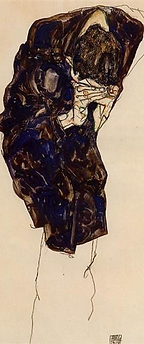
REVERSED
“Nothing is more dangerous than an idea when it is the only one you have.” — Émile Chartier (Alain)
Reversed, the Knight becomes reckless intellect — reason without restraint, defence without listening. The same energy that once pursued truth now manufactures it. Argument shifts from inquiry to dominance; speech becomes a tool of pressure rather than understanding.
In work, this appears as overconfidence: the strategist who dismisses feedback, the thinker who mistakes certainty for competence. Projects launch before they are ready; bridges burn before they are crossed. The reversed Knight charges ahead declaring knowledge he has not yet earned.
In relationships, this reversal warns of argument for its own sake. Passion hardens into defensiveness; intelligence becomes a weapon. The need to win eclipses the need to understand. The sword remains raised long after the dispute is finished.
Psychologically, this is burnout disguised as productivity — the mind unable to slow, addicted to motion. Thought becomes compulsive, reaction replaces judgement. Exhaustion masquerades as urgency. The lesson here is not retreat, but restraint: to pause, to allow thought to settle before striking.
At its deepest level, the reversed Knight reflects projection. He attacks externally what he refuses to examine internally. Believing he cuts through falsehood, he instead externalises unresolved conflict. His horse runs faster, but the ground beneath him becomes unstable.
knight of swords
the relentless charge
"Nothing is stronger than an idea whose time has come." Victor Hugo

scene & symbols
Rashness belongs to youth; prudence to age, and discretion to both.” — Cicero
In my card, the Knight leans forward on a white horse, armour glinting in clean daylight. His mouth is open mid-cry, not in rage but articulation — the intellect declaring itself. His sword is lifted high, cutting into bright air rather than flesh. The action is rhetorical, not violent.
The red plume on his helmet trails like a flare of impulse — courage bordering on defiance. The cloak streams behind, recalling the Ten’s red cloth but now in motion rather than repose: energy not yet exhausted, reason still burning forward. The sky is split between pale light and cloud shadow, suggesting a mind in transition between clarity and overexposure.
The horse, pure white, represents the body compelled by will. Its expression is alert but uneasy — the creature obeying an intellect too quick to consider its own weight. Beneath the hooves the earth is dry and ochre: the barren landscape of abstraction. A few trees bend away from his path as if thought itself displaces nature. Above him, birds scatter — flight as metaphor for ideas disturbed by speed. The butterfly on the bridle — a symbol carried through all my Swords courts — flutters against the wind, representing transformation through intellect.
The Knight’s energy is kinetic but contained. His momentum is forward, not downward; this is pursuit, not destruction. Yet the red accents — glove, plume, cloak — warn of escalation. Each signifies passion held within reason’s structure, a balance that cannot last forever.
He rides not to destroy but to assert. Every detail — the wind-torn sky, the white horse, the red cloak — tells of passion harnessed by intellect, reason driven to action. This is the intellect before it meets consequence — the necessary storm that precedes stillness.
SHADOW
“The greatest obstacle to discovery is not ignorance
— it is the illusion of knowledge.” — Daniel J. Boorstin
The shadow of the Knight of Swords is The Zealot of Reason — the figure who fights for clarity until clarity becomes conquest. Thought detaches from humility and hardens into certainty. The intellect ceases to test itself and begins to police others. What starts as courage of conviction collapses into the refusal to doubt.
Archetypally, this is the holy warrior whose vision narrows into righteousness. His sword no longer distinguishes — it simplifies. Complexity becomes an enemy; hesitation a moral failure. He does not ask whether he is correct, only whether he is loud enough, fast enough, relentless enough. In defending truth, he abolishes inquiry.
Psychologically, this shadow manifests as compulsion masked as clarity. Anger substitutes for discernment; speed replaces depth. The Knight mistakes urgency for importance and certainty for intelligence. He believes reflection to be weakness and restraint to be betrayal. His confidence grows brittle — unable to tolerate contradiction, incapable of rest.
In its social form, this shadow thrives where reaction is rewarded. Argument becomes spectacle; conviction becomes performance. The Knight rides from issue to issue, convinced each skirmish is decisive, never pausing long enough to see that the war is endless precisely because it is shallow. Victory is declared daily; understanding never arrives.
There is also projection here — the attack on others for what remains unresolved within. The Knight believes he is cutting through deception, yet he is often externalising his own unexamined fear: fear of irrelevance, fear of stillness, fear of being wrong. The sword flashes constantly because silence would expose uncertainty.
The danger of this shadow is not cruelty but compression — moral vision narrowed until nuance disappears. Language becomes law; disagreement becomes treason. The mind grows rigid, exhausted by perpetual certainty. What once was courage turns compulsive. The blade still gleams, but the hand trembles.
The discipline this shadow demands is proportion. The Knight must relearn restraint — the pause before speech, the willingness to lose ground, the capacity to remain incomplete. Wisdom does not arrive by acceleration. It begins where eloquence ends and listening resumes.


here & now
“In times of universal deceit, telling the truth becomes a revolutionary act.” — Orwell
The Knight of Swords speaks directly to our present moment — a culture in full gallop, armed with opinion and desperate for victory. We move through information at speed, mistaking motion for comprehension. Everyone is encouraged to charge; few are permitted to stop. He cuts swiftly, sometimes accurately, but without patience for context. Thought becomes performance, and performance replaces understanding.
This is an age that confuses volume with depth. We speak faster than we consider, defend more than we examine. Information multiplies while insight thins. Rhetoric accelerates; reflection lags behind. The result is intellectual attrition — exhaustion disguised as engagement. In public life, this appears as perpetual escalation. Every topic is framed as urgent, every disagreement as existential. Nuance is treated as weakness; silence as complicity. The Knight’s energy dominates discourse, not because it is always wrong, but because it refuses proportion.
In personal life, the same pattern appears as mental overdrive. The mind races to respond, to justify, to correct. Thought is never allowed to settle. Stillness feels dangerous; slowness feels like surrender. We mistake constant reaction for relevance.
Yet the Knight of Swords is not merely a warning — he is also a test. His presence asks whether we can act without becoming frantic, speak without dominating, decide without erasing doubt. He demands a new ethic of precision: not more words, but truer ones.
The horse must learn to slow if meaning is to survive. Intelligence must relearn courtesy; discourse must relearn silence. The sword is not the proof of truth — only its instrument. When guided by proportion, the Knight clears confusion rather than multiplying it. And when rightly aligned, few forces are braver.
The Knight of Swords is courage in motion — the will to move when others freeze. His task now is not to charge louder, but to strike more carefully, to act without abandoning thought, and to remember that speed alone does not make right direction.
conclusion
The Knight of Swords is intellect in motion — courage sharpened into action.
His lesson is simple: speed must serve truth, not replace it.
↑ Back to Index
queen of swords
the sovereign mind
“To think is easy. To act is difficult. To act as one thinks is the most difficult of all.” — Goethe

myth & meaning
“I observe and remain silent.” ― Queen Elizabeth I
The Queen of Swords is intellect enthroned — the survivor who rules not from sentiment but from experience. Her clarity has been earned through betrayal, exile, and solitude. She is both judge and witness, teacher and executioner, the mind that sees too clearly to be deceived.
In mythic and historical lineages she recalls Athena, goddess of strategic wisdom; Hypatia, who taught reason in the face of fanaticism; Elizabeth I, governing with intellect over impulse. Each embodies the paradox of mind as both sword and shield: rationality capable of both protection and isolation.
Psychologically, this Queen represents lucid independence — a self that no longer needs to defend itself through excess emotion. She has felt deeply, suffered precisely, and learned that feeling must serve comprehension, not obscure it. She is intellect with memory, compassion measured by understanding.
Astrologically, the Queen of Swords aligns with the third decan of Libra, ruled by Mercury and Jupiter. Here thought no longer rushes or defends; it observes.

upright
“She was alone, and she liked it. It was the way she had learned everything important in her life.”
― Walter Tevis, The Queen's Gambit
Upright, the Queen of Swords embodies discernment earned through experience rather than inheritance. She sees what others hesitate to acknowledge and speaks what others avoid. Her authority is not borrowed from institution or title, but forged through clarity of thought and the discipline of honest perception.
In work, she is the professional whose standards cannot be bribed — the judge who tempers fairness with precision, the academic who questions popular conclusions, the editor who removes excess without apology. She listens without flattery and speaks without indulgence. Her calm is not passivity, but control.
In relationships, she represents independence grounded in truth. She values honesty over harmony and devotion over dependency. She often stands alone, not from coldness, but from refusal to compromise integrity. Her love is rigorous, her trust rare, her loyalty absolute once earned. Sentiment does not sway her; principle does.
Psychologically, the Queen appears when wisdom replaces reaction. Her message is not to feel less, but to think more clearly. Emotion is not weakness, but data — to be interpreted, not obeyed. She teaches that compassion without clarity is chaos, and clarity without compassion is cruelty; the task is to hold both.
At her best, the Queen of Swords is moral intelligence made visible. She cuts not to wound, but to reveal. Her blade clears confusion, her silence restores proportion.

reversed
“Men become civilised, not in proportion to their willingness to believe, but to their readiness to doubt.” — H. L. Mencken
Reversed, the Queen’s intellect becomes a fortress. Clarity hardens into rigidity; discernment narrows into judgement. What once served truth now protects identity. Her voice sharpens, not to clarify, but to control. Precision turns sterile; intelligence loses generosity.
In work, this may appear as perfectionism that cannot tolerate dissent — the critic who dismantles without rebuilding, the authority who confuses accuracy with wisdom. The reversed Queen mistakes detachment for objectivity and correction for leadership. She edits people as ruthlessly as ideas.
In relationships, she becomes the wounded woman turned wary — the lover who locks the door and swallows the key. Pain is elevated to principle; solitude becomes sentence. She guards herself so thoroughly that connection is treated as threat. The sword remains raised long after the danger has passed.
Psychologically, this reversal reflects a mind disciplined beyond rest. Thought never stands down. Vigilance replaces reflection; analysis replaces intimacy. She isolates to survive, mistaking withdrawal for dignity. Beneath the ice lies fatigue — and beneath fatigue, an unspoken longing for peace.
Redemption begins when the Queen allows vulnerability back into the equation. Not softness, but permeability. The sword must not only divide; it must also clear space. When intellect remembers its duty to serve life rather than dominate it, clarity regains warmth — and authority regains legitimacy.

scene & symbols
"He who cannot establish dominion over himself will have no dominion over others.”
― Leonardo da Vinci
The Queen of Swords sits high on her stone throne, its side carved with cherubic faces — the meeting of justice and compassion. The sword in her right gauntleted hand rises perfectly vertical, a symbol of integrity and law. Her left hand, bare, is lifted in greeting and warning alike: mercy offered to the truthful, distance to the deceitful.
Her crown of butterflies denotes metamorphosis — the intellect’s passage through pain into clarity. Around her left wrist, she wears a string of prayer beads, evoking faith disciplined by reason — a vestige of her moral compass, a private conversation with conscience. Beneath the robe, a glimpse of red shoe catches the light: the ember of passion beneath composure.
Her red headpiece suggests royalty and remembrance — the mark of one who has suffered for knowledge. The throne’s yellow base stands for enlightenment grounded in human reality.
Above, a single bird flies against a storming sky, symbolising reason that refuses to surrender to confusion. Every detail is deliberate — intellect held steady within chaos, compassion worn as armour, and truth wielded like light.
SHADOW
“To perceive is to suffer.” — Aristotle
The shadow of the Queen of Swords is The Dispassionate Judge — intellect severed from mercy, clarity pursued beyond its humane limits. Here, discernment hardens into frost. The Queen no longer cuts illusion to reveal truth, but to maintain control. She mistakes distance for objectivity and restraint for superiority, believing that to feel less is to see more.
Psychologically, this shadow emerges from exhaustion. Having perceived too much, she retreats into abstraction. Thought becomes a refuge, not a tool. She listens without hearing, observes without receiving. Analysis turns watchful, then punitive. Her brilliance isolates her; her clarity corrodes its own purpose. What once served understanding now serves defence.
Culturally, this archetype appears wherever expertise is stripped of responsibility — in systems that calculate flawlessly yet refuse accountability, in institutions that measure everything except consequence. It is authority that speaks with certainty but no stake, judgement rendered without proximity to harm. The world may her precision, yet quietly recoils from her detachment.
There is also a more intimate shadow here: the Queen as the critic who cannot stop critiquing, the reformer who cannot rest until every flaw is named. What begins as integrity collapses into depletion. Detachment ceases to be neutrality and becomes avoidance. She dissects reality until no warmth remains, mistaking sterility for truth.
In my card, the red shoe beneath her robe is crucial. It signals the last trace of vitality she conceals — the part of her still capable of error, tenderness, and grace. If she acknowledges it, proportion returns and judgement regains humanity. If she denies it, she becomes machinery: flawless, efficient, and alone.


here & now
“The saddest aspect of life right now is that science gathers knowledge faster than society gathers wisdom.” ― Isaac Asimov
The Queen of Swords reflects a moment when information multiplies faster than understanding. Visibility is mistaken for wisdom and declaration for proof. Against this noise she represents a rarer discipline — the ability to distinguish knowledge from display, clarity from performance.
She values accuracy over affirmation. In public life she is the one who removes excess, the one who refuses spectacle, the one who waits to understand before speaking. Her authority does not arise from volume or certainty but from proportion — the capacity to reason without exhibition.
This composure is often mistaken for distance. Yet the Queen’s restraint is not indifference but discipline. Where reaction dominates, she restores reflection; where opinion crowds the air, she re-establishes attention.
On a personal level the card speaks to the fatigue of constant input and judgement. The Queen reminds us that discernment requires boundaries — the wisdom to know what deserves our attention and what does not.
Her lesson is quiet but radical: to think carefully, to speak precisely, and to allow silence its rightful place beside truth.
conclusion
The Queen of Swords is wisdom forged through experience. She teaches that clarity and compassion must stand together,
or both become something lesser.
↑ Back to Index

myth & meaning
“Integrity has no need of rules.” — Albert Camus
The King of Swords is the mind in command — the architecture of justice, the grammar of authority. Where the Queen refined intellect into discretion, the King renders it visible as law. He is the culmination of reason: thought translated into structure, conscience given shape.
Mythically, he belongs among the philosopher-kings — Solomon, Marcus Aurelius, Akhenaten, Solon — figures who attempted to govern thought itself. Psychologically he represents the conscience of clarity, a mind disciplined by consequence. He has fought his wars of conviction and now rules the aftermath.
Yet his perfection admits doubt. The sword in his hand tilts slightly off-centre, a subtle rebellion against rigidity. It marks awareness of fallibility — the understanding that perfect balance is inhuman. This deviation is the sign of moral intelligence: truth that bends, but does not break.
Decan note: He occupies the final decan of Aquarius, Air at its coldest and most lucid — intellect serving principle.

upright
“In this hour,
I do not believe that any darkness will endure.”
― J.R.R. Tolkien, The Return of the King
Upright, the King of Swords stands for authority by intellect — command grounded in understanding rather than force. He speaks little, but every word lands with precision. He listens longer than he answers. His authority lies not in command but in clarity.
In the world, this card appears when leadership demands integrity over popularity. The moment requires decision, and decision demands courage of thought. The King reminds us that intelligence, when ethical, is not arrogance but service — the willingness to think when others react.
Psychologically he represents integration of intellect and morality. The person who draws this card is called to inhabit the full responsibility of reason: to use their mind as a tool for balance, not dominance. The King knows that a verdict given without understanding is as corrupt as one bought with favour.
His presence restores gravity. He speaks when silence would wound, and remains silent when speech would only wound further. Upright, the King of Swords is reason made human: clear, deliberate, and incorruptible.

reversed
“Nothing will come of nothing: speak again.”
― William Shakespeare, King Lear
Reversed, the King becomes the shadow of intellect — reason detached from compassion, discipline curdled into control. What was once discernment becomes domination. He insists upon obedience, mistaking submission for order.
In this aspect, the King no longer listens to understand; he listens to correct. His intellect, stripped of conscience, imposes form where reflection is required. He is the judge who condemns out of habit, the official who confuses process with justice.
Reversed, the card also warns against the arrogance of logic — the refusal to allow ambiguity. The person may become consumed by their own definitions, blind to context. Their authority isolates them; their brilliance becomes a cage.
Restoration comes when humility re-enters the mind. The King must rediscover the use of doubt — to lean once again on that slightly off-centre sword that keeps his reason alive. When intellect admits uncertainty, wisdom begins again.
In this sense, the reversal is not fall but recall: the return of humanity to a mind grown too precise to feel.

scene & symbols
“You have power over your mind - not outside events.
Realise this, and you will find strength.” ― Marcus Aurelius, Meditations
In my Tribute Tarot, the King sits beneath a pale sky, robed in the faintest blue, a tone of intellect cooled in calm. His mantle and sleeves burn red, colour of the living heart concealed beneath analysis. Over his shoulders falls a purple cape, the hue of moral weight — authority tinged with the shadow of sacrifice.
The sword he holds is slightly off-centre, gleaming at an angle that suggests both readiness and doubt. It is the visual signature of this card: justice alive enough to question itself. His butterfly adorned crown echoes the Queen’s but condenses it — thought in its final metamorphosis, reason transformed by experience.
Above him, a cherub is carved into the throne’s headrest, the image of innocence watching over intellect — conscience preceding command. Two birds hover in the clear air, emblems of perspective and freedom of mind.
At his feet, a single red shoe glints beneath the blue robe, anchoring him to mortality. Beneath the cerebral poise, he still stands on human ground. The throne itself is austere but not severe, its planes softened by time. He rules not by domination but endurance.
SHADOW
“Doublethink means the power of holding two contradictory beliefs in one's mind simultaneously, and accepting both of them.” ― George Orwell, 1984
The shadow of the King of Swords is The Technocrat — authority that mistakes procedure for wisdom and coherence for truth. This figure rules not through cruelty but through abstraction. His justice is tidy, his language immaculate, his conscience outsourced to systems. He believes that if a thing can be measured, audited, or justified on paper, it must therefore be right. Compassion becomes inefficiency; doubt becomes weakness; lived consequence becomes an inconvenience to be managed. What begins as clarity hardens into rigidity, and what was once discernment calcifies into control.
Psychologically, this shadow emerges when intellect severs itself from humility. The King no longer listens; he evaluates. He does not weigh complexity; he resolves it prematurely. He has seen too much, read too much, calculated too much — and now feels entitled to certainty. Empathy fades not because he lacks feeling, but because feeling disrupts his conclusions. Every human plea is translated into data, every moral question reduced to risk assessment. He does not ask what is right so much as what is defensible. The mind remains sharp, but the soul goes numb.
Collectively, this archetype governs institutions that prize efficiency over justice and consistency over truth. Courts become theatres of precedent rather than places of judgment; governance becomes administration without accountability. Language is weaponised to obscure rather than clarify — “process” replaces responsibility, and legality substitutes for legitimacy. Decisions are made at a distance from their consequences, and when harm follows, it is described as unfortunate but unavoidable. Power hides behind complexity, and the King assures us that no one is to blame.
This is the tragedy of intellect without proportion. The King’s sword — once a tool for truth — becomes an instrument of separation, dividing principle from consequence, authority from accountability. His throne stands, but it stands alone. The image itself warns us: authority that refuses self-examination always tilts. When the King forgets that justice is a living act rather than a finished argument, clarity dies in his hands — not loudly, but efficiently, cleanly, and without appeal.

king of swords
the mind in command
“To reign is to serve.” — Seneca

here & now
“All things are subject to interpretation.
Whichever interpretation prevails at a given time is a function of power and not truth.”
― Friedrich Nietzsche
The King of Swords confronts our time with an uncomfortable truth: we are governed less by wisdom than by managed administration. Authority today rarely announces itself as tyranny; it arrives as policy, guidance, framework, compliance. Decisions are justified through language so dense it becomes anaesthetic. Power speaks fluently, endlessly — and says nothing. We are told to trust the process, even when the process produces outcomes no sane conscience would defend.
In this era, intelligence is prized only when it serves control. Leaders speak of evidence while ignoring consequence, invoke expertise while evading responsibility. Mistakes are never owned — only reclassified. Failure becomes “complexity,” harm becomes “trade-off,” dissent becomes “misinformation.” The sword of reason no longer cuts toward truth; it trims reality until it fits the narrative. What cannot be managed is dismissed, and what cannot be defended is buried under procedure.
Culturally, we are trained to confuse confidence with competence and fluency with integrity. Those who speak calmly are assumed to be right; those who hesitate are deemed suspect. Doubt is treated as weakness, nuance as disloyalty. The result is an atmosphere where certainty is rewarded and reflection punished. The King’s discipline — once a safeguard against chaos — is now used to silence moral discomfort. Order is preserved, but justice quietly erodes.
On a personal level, this card asks where we have internalised the same corruption. Where do we hide behind correctness rather than courage? Where do we quote rules instead of exercising judgment? The modern individual is pressured to become their own administrator — regulating speech, moderating thought, pre-emptively complying. We learn to sound informed without understanding, decisive without reflection. The King warns that a mind trained only to defend itself will eventually forget how to serve truth.
Yet the archetype still offers a demand rather than a diagnosis. The King of Swords calls for intellect with backbone — clarity that accepts consequence, authority that submits to scrutiny, reason that remains answerable to reality.
In the Here & Now, this means resisting the comfort of sanctioned thinking and recovering the harder discipline of independent judgment. The King does not ask us to obey more efficiently, but to think more honestly. Without that, no system — however refined — can remain just.
conclusion
The King of Swords is the final discipline of the mind — intellect tempered by responsibility.
His lesson is simple: authority must always answer to truth.
↑ Back to Index
With the Suit of Swords complete, we leave the terrain of thought, conflict, and truth laid bare.
The journey now turns toward the Suit of Pentacles, where consequence takes form, values meet reality, and ideas are tested in the material world.